
Every year it happens about the same way. The cottonwoods along the Boise River drop their leaves, the first hard frost whitens the lawns from Eagle and Meridian out to Nampa, and a week or two later somebody opens the pantry and finds a chewed-open bag of rice. Mice in the house in winter aren’t a sign that you keep a dirty home. They’re a sign that it got cold outside and your house is warm, dry and smells like dinner.
Here in the Treasure Valley, that shift usually starts in late October and picks up through November. This post walks through why mice (and sometimes rats) move indoors when Boise-area nights drop below freezing, where to look for signs room by room, and what sealing a house actually involves.
Why Mice Move Indoors When Treasure Valley Nights Turn Cold
A house mouse doesn’t hibernate. It has to keep eating and keep warm all winter, and our high-desert climate makes that hard outdoors. Days can still be pleasant in early November, but once the sun drops behind the Owyhees the temperature falls fast. Fields get mowed, gardens get pulled, and the cover and food that carried rodents through summer disappear.
So they go looking. A mouse following the warm air leaking out from under a garage door isn’t being clever. It’s just doing what it’s built to do. And a lot of homes around here make it easy: newer subdivisions in Meridian, Star and Kuna sit right next to open ground and ag land, while older neighborhoods in Boise, Garden City and Caldwell have had decades to develop settling cracks and worn-out vent screens.
What About Rats in the House in Winter?
Mice are what most Treasure Valley homeowners run into. Rats, though, have become a bigger topic in Ada County lately. Central District Health says rats have been reported in Boise, Eagle and Garden City, and it points to the usual draws: bird seed, chicken feed, pet food left outside, garbage, compost and fallen fruit. If you’ve seen droppings closer to the size of a raisin, or burrows along a foundation or fence line, read the Central District Health guide to rat prevention in Ada County. It also explains how to report a sighting.
Signs of Mice in Your House This Winter, Room by Room
Mice are quiet and mostly active at night, so you’ll usually notice what they leave behind before you ever see one. Here’s where to look, starting with the spots we check first on Treasure Valley homes.
Mice in the Garage
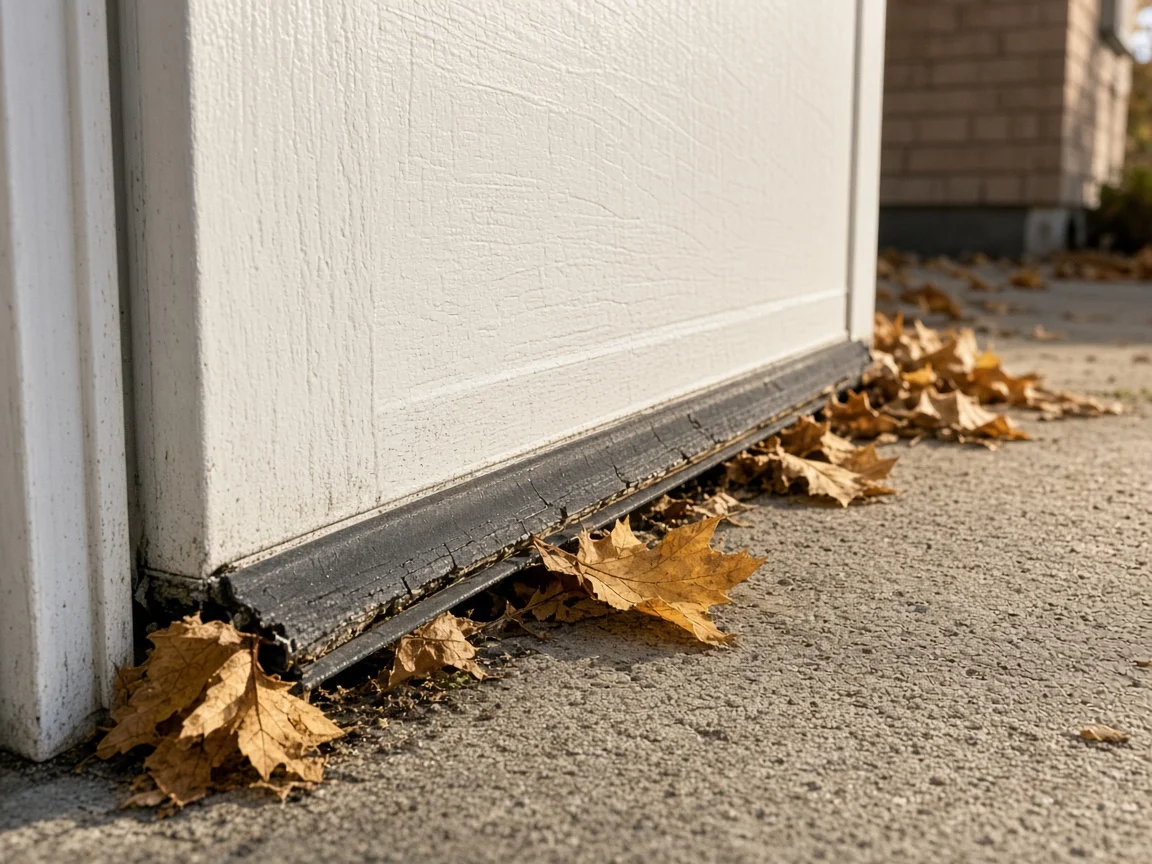
For a lot of houses, the garage is the front door. Look along the bottom edge of the big door, especially the corners, where the rubber seal tends to crack or curl after a few Idaho summers. Then look at what’s stored in there. Bags of dog food, bird seed and grass seed are like a dinner bell. Small dark droppings near those bags, shredded cardboard in the corner, or a chewed hole in a feed sack are all strong clues.
Mice in the Attic
Scratching overhead right around bedtime is a classic winter sign. Mice climb better than most folks expect, and they’ll get into an attic through gaps at the roofline or along the eaves. Up there you’re looking for droppings on top of the insulation, tunnels or flattened paths through it, and nesting material made of shredded paper or fabric.
Mice in the Crawl Space
Plenty of homes in Caldwell, Nampa and the older parts of Boise sit over a crawl space. Damaged or missing foundation vent screens are an easy way in, and the crawl space connects to everything else through the plumbing and wiring runs. If you have a flashlight and don’t mind getting a little dusty, check near the vents and around pipes for droppings and nests.
The kitchen and pantry
This is where most people finally notice. Watch for droppings about the size of a grain of rice in drawers, under the sink, or behind the stove and fridge. Chewed corners on cereal boxes and bags count too. Sometimes it’s a faint musty smell in a cabinet that doesn’t go away.
One thing worth knowing: by the time you see a mouse in the middle of the day, there are usually more of them out of sight. If you already have mice, here’s how long it takes to get rid of mice once a plan is in place.
How Mice Get Into Idaho Homes

Mice can fit through gaps that look much too small for them. A house mouse can squeeze through an opening not much bigger than a dime. When we walk a property, these are the spots that come up again and again:
- Utility penetrations. Where the AC line, gas line, cable or hose bib goes through the wall, there’s often a gap the builder never sealed or the caulk has pulled away from.
- Garage door seals and door sweeps. Corners are the usual weak spot. A side door into the garage with daylight under it counts too.
- Foundation and crawl-space vents. A bent screen, a rusted-out corner, or a vent cover that got knocked loose by the lawn mower.
- Siding and trim gaps. Look where siding meets the foundation, and at the corners and roofline, especially on homes that have settled a bit.
Outside the house, it helps to make your yard less inviting. Keep pet food and bird seed in sealed metal or heavy plastic bins. Pick up fallen fruit. Move firewood away from the walls. None of that will seal a gap, but it does make your place less interesting to a hungry mouse.
What Sealing Entry Points Actually Involves
Traps catch mice that are already inside. Sealing keeps the next ones from following them in. You really need both.
A good exclusion job starts with an inspection: walking the whole outside of the house, including the garage and the foundation line, then checking the attic and crawl space where they can be reached. The goal is to find the active entry points, not just the obvious ones. Then those gaps get closed with materials mice can’t chew through. Spray foam on its own usually isn’t enough, because mice chew right through it. If you want the longer version, we wrote up how rodent sealing works, step by step.
Some homeowners handle the easy fixes themselves, like a new door sweep or a replacement vent screen, and that’s great. Where people tend to get stuck is finding the gaps they can’t see, or reaching the ones up at the roofline.
Winter Mice FAQ
Is it mice or rats?
Mouse droppings are about the size of a grain of rice. Rat droppings are closer to the size of a raisin, and rats are more likely to leave burrows along a foundation or fence line. If you think you’re seeing rats in Ada County, the Central District Health guide linked above explains how to report a sighting.
Where do mice get into Treasure Valley homes?
Most often through the corners of garage doors, gaps around utility lines, damaged foundation or crawl-space vent screens, and gaps where siding meets the foundation. A house mouse can fit through an opening not much bigger than a dime.
Why do I hear scratching in the ceiling at night?
Mice are mostly active at night, and in winter they often nest in attic insulation. Check the attic for droppings, flattened paths through the insulation and shredded nesting material.
How ProGuard Helps with Mice in Boise and Treasure Valley Homes
We’re a local, family- and veteran-owned company based in Eagle, providing residential pest control in the Treasure Valley, and we treat every home like it’s our own. With ProGuard rodent control, we figure out what you’re dealing with, set traps where the activity is, and seal the entry points we find so it’s much harder for more mice to get in.
Rodent service is included at no extra cost with quarterly service plans; traps and materials are billed separately. We also seal entry points.
We work with homeowners from Eagle and Star to Nampa and Caldwell, including Boise rodent control for homes across Ada County.

If you’ve been hearing things in the walls, or you just want a second set of eyes on the garage and foundation before the real cold sets in, give us a call at 208-352-2062, or contact ProGuard online. We’ll take a look and tell you honestly what we see.