
For a long time, rats weren’t something most Treasure Valley homeowners thought about. Mice, sure. But Central District Health now reports rats in parts of Ada County, including Boise, Eagle and Garden City, and more people are finding signs of them in garages, crawl spaces and backyards. If that’s you, one of the first questions is probably what a rat exterminator will cost.
We don’t publish a price list, because rat jobs vary too much for a number to mean anything before someone’s seen the property. What we can do is walk you through what actually affects the cost, what the work involves, and how to compare quotes so you’re not caught off guard.
Rats or Mice? It Matters for the Cost
Start by making sure it’s really rats. Rat droppings are about the size of a raisin, while mouse droppings look more like grains of rice. Rats also leave greasy rub marks along walls, larger gnaw marks and, outside, burrows along foundations, fences and woodpiles. Our guide to telling rats from mice covers the differences in more detail.
It matters because rats are a bigger job. They’re cautious around anything new, including traps, so it can take longer before they’re caught. They need larger openings than mice, but they can also chew to make a gap bigger. And they’re more likely to damage wiring, ducts and irrigation lines.
What Affects the Cost of a Rat Exterminator
How established they are
A rat or two that wandered in from a neighbor’s yard is a very different job from a group that’s been nesting under the deck all summer. Earlier is almost always easier.
Where they are
Rats in a garage are simpler to deal with than rats in a crawl space, attic or wall. Tight, hard-to-reach areas take more time to inspect, trap and seal.
How they’re getting in
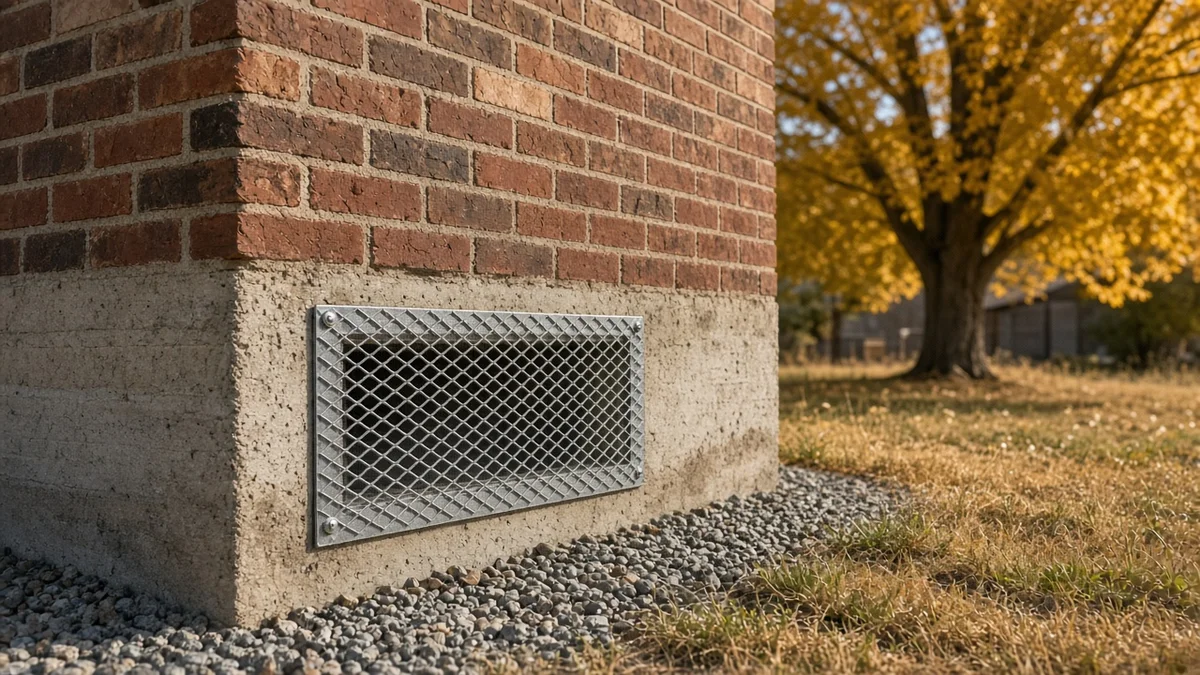
Common entry points include gaps under garage doors, foundation vents with damaged screens, openings around pipes and utility lines, and gaps in older siding. Each one has to be found and closed with materials rats can’t chew through. Exclusion is usually the most labor-heavy part of the job, and the part that matters most.
The yard and neighborhood
Rats move in where they find food, water and cover. Canals, irrigation ditches, woodpiles, dense ivy, compost, chicken coops, bird feeders and fallen fruit all raise the pressure around a home. If the conditions outside stay the same, follow-up takes longer.
Repairs and cleanup
Chewed wiring, damaged ductwork or soiled insulation may need repair by the right trade, and those repairs are usually separate from the pest control work. We’ll tell you what we find so you can plan for it.
What a Rat Job Usually Involves
Inspection. We check inside and out for droppings, rub marks, burrows, gnawing and travel routes, and find where they’re getting in.
Trapping. Traps go along the routes rats actually use, placed out of reach of kids and pets. Because rats are cautious, this step takes patience.
Sealing. Entry points get closed with durable materials like hardware cloth, metal flashing and sealant. Here’s more on how rodent sealing works.
Follow-up. Return visits check traps and confirm whether activity has stopped.
If you need to clean up droppings or nesting material, don’t sweep or vacuum it dry. The CDC’s rodent cleanup guidance covers how to do it safely.
How to Keep the Cost Down
- Act on the first signs. Rats breed quickly, so a small problem doesn’t stay small for long.
- Take away food and cover. Pick up fallen fruit, store feed and pet food in metal or heavy plastic bins, and keep woodpiles off the ground and away from the house.
- Close the easy gaps. Make sure the garage door seals tightly and foundation vent screens are intact.
- Talk to your neighbors. Rats don’t respect property lines. If the yard next door is the source, it helps to know.
Questions to Ask Before You Hire
Central District Health’s rat and rodent prevention page for Ada County suggests asking any pest control company how they’ll inspect, what their treatment plan is, how they handle safety, and about their credentials, cost and follow-up. It also recommends getting more than one written estimate. That’s good advice, and we’re happy to answer every one of those questions.
Rodent service is included at no extra cost with quarterly service plans; traps and materials are billed separately. We also seal entry points.
If rats keep coming back to your area, our quarterly pest control plans are worth a look.
Get a Quote from a Local Team
ProGuard is a local, family and veteran owned pest control company serving Eagle, Boise, Meridian, Garden City, Star, Nampa, Caldwell, Emmett and Middleton. If you think you’ve got rats, see our Boise rodent control page, call (208) 352-2062, or request a rat control quote online.