Local, family and veteran owned · Eagle, IDMon to Sat, 9 AM to 6 PM.
In short: the Indian meal moth is the most common moth found in food in the home, UC IPM says. The small moths flutter around the kitchen at night, and their larvae spin silky webbing in cereal, flour, nuts, dried fruit, chocolate, birdseed and pet food. Find and toss the infested food, clean the shelves and keep dry goods sealed.
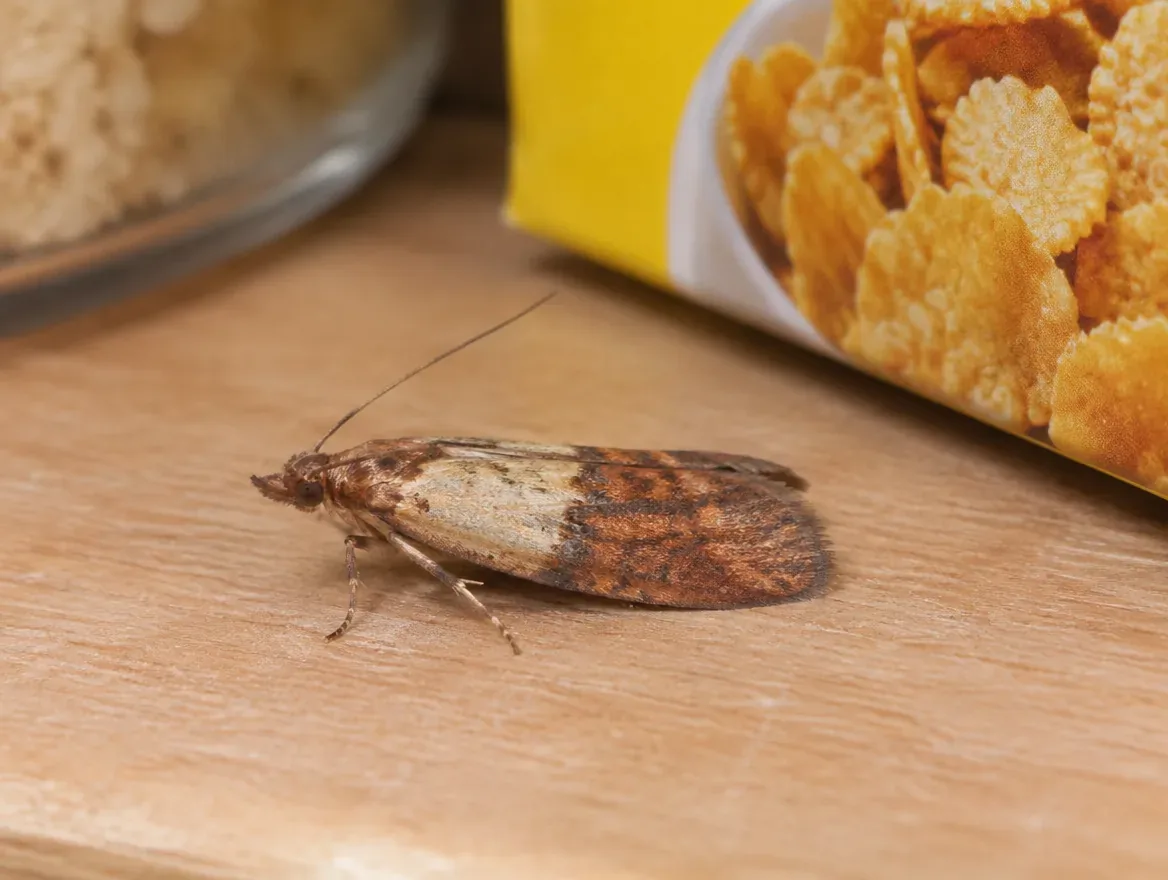
UC IPM describes the adult as a fairly distinct small moth, about 1/3 to 2/5 inch long, with reddish brown forewings that have a coppery shine on the outer two thirds and are whitish gray near the body. At rest, the wings fold flat and the moth looks two toned.
The larvae are small caterpillars, about 1/2 inch when full grown, whitish with a pinkish or yellowish tint. UC IPM notes they spin a web as they grow and leave silk threads wherever they crawl.
Smaller, plain golden tan and hairier. Their larvae feed on wool and other fabrics, not food. UC IPM says not to confuse the two.
The Mediterranean flour moth also infests flour and cereal but is gray with dark zigzag bands.
Moths that fly in through doors are drawn to lights and do not stay in the pantry.
Like other pantry pests, Indian meal moths usually come home in an infested package. The Pantry Pest Guide from University of Idaho, Oregon State and Washington State Extension notes that eggs are often laid near a crack or opening in the food package. Larvae feed and grow inside, then wander off to spin a cocoon, often in a corner or up on the ceiling.
UC IPM says the full life cycle takes about six to eight weeks in warm weather, so one infested box can turn into moths flying all over the kitchen within a couple of months.
No. The moths do not bite and are not known to carry disease.
Most of the work is finding every infested package. When moths keep showing up after a cleanout, we help you track down hidden sources such as pet food, birdseed, decorative dried corn and forgotten snacks, and treat the cracks and shelf edges where larvae spin cocoons. Indian meal moths are covered pests on our residential plans, along with other pantry pests.
Quarterly visits keep the protection up, and quarterly plan customers get a free return visit if covered pests come back between visits. There are no contracts. We work family and pet safe. Treated areas are safe for kids and pets once they’re dry, which is usually about 15 to 20 minutes.
Learn more on our our residential pest control service page, or reach out through our contact page.
Tiny brown beetles in flour, cereal and dry goods.
Grain and flour beetles facts for IdahoTiny mottled beetles whose fuzzy larvae chew wool and fabric.
Carpet beetle: signs and look alikesSee what the service includes and how it works.
Residential pest control detailsAlso in this section: Drugstore beetle, Cigarette beetle. Local pages: Nampa and Caldwell.
Back to all pantry pests in Idaho.
Written by the ProGuard team from the sources above. Last updated: November 17, 2026. This page is general information, not medical advice. If you are worried about a bite or your health, talk to a doctor.
Call, text or send a few details. We’ll give you a free quote before any work starts, and there are no contracts.
