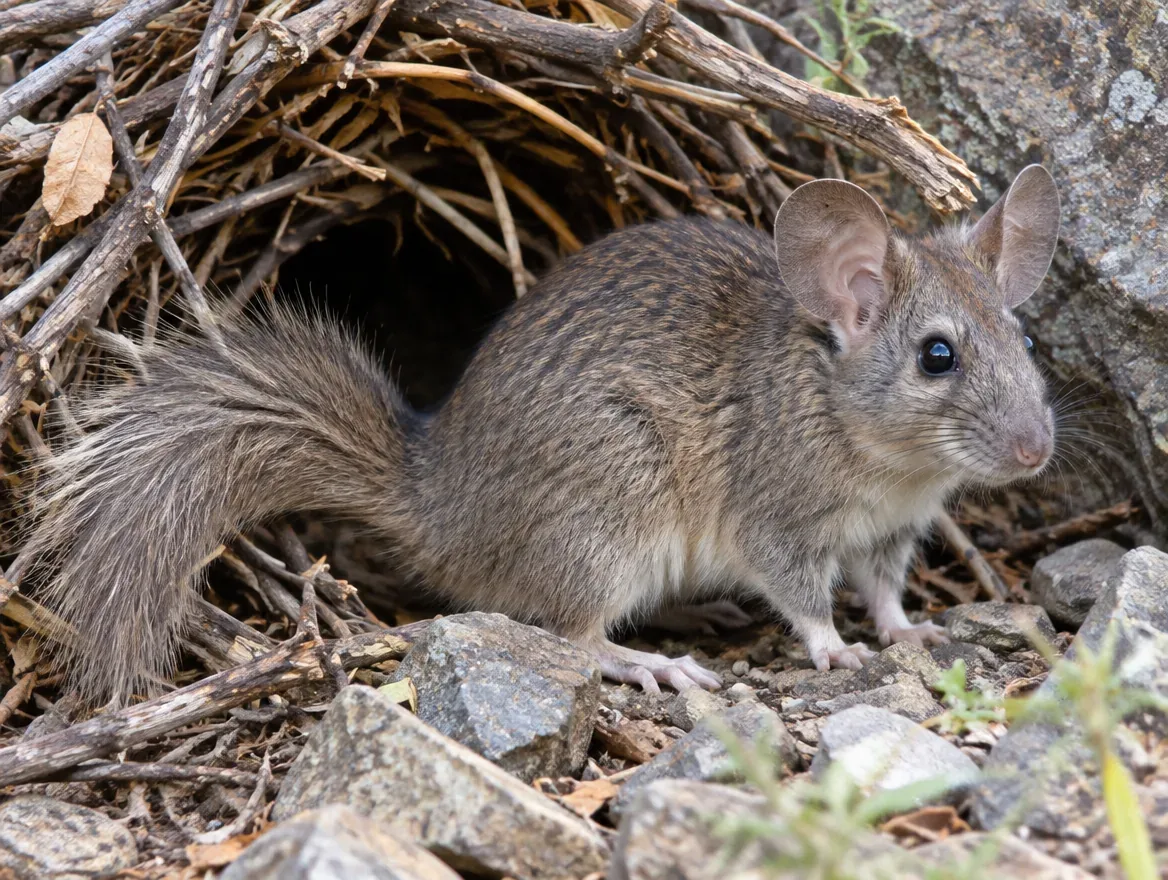
In short: the pack rat most Idahoans run into is the bushy tailed woodrat, a native rodent with big eyes, soft fur and a furry tail. It hauls sticks, shiny objects and trash into a bulky nest called a midden, often in sheds, barns, cabins, crawlspaces and parked vehicles. Sealing gaps over 1/2 inch and trapping are the usual fix.
A pack rat looks softer than the rats that live in town. Idaho Fish and Game points to its big eyes and long whiskers, which help it get around in the dark. The fur is fluffy, the ears are large and the tail is covered in fur, much like a squirrel’s. Norway rats and roof rats have bare, scaly tails, so the tail is the quickest way to tell them apart.
The nest is the other giveaway. Pack rats collect almost anything they can carry, from twigs and pine cones to bottle caps, foil, wire and small tools, and they pile it into a midden. Idaho Fish and Game notes that some middens reach 6 feet tall. Inside a shed or under a hood, it looks like someone dumped a bucket of sticks and trash in a corner.
Heavier, with small ears and a bare, scaly tail that is shorter than the body. They burrow along foundations in town instead of building stick piles.
Slim climbers with a bare tail longer than the body. They live in trees, fences and attics in Boise neighborhoods and do not build middens.
Much smaller, with a sharp two tone tail. They nest in shed boxes and drawers, but the nest is soft and small, not a pile of sticks.
Bushy tailed woodrats are native to the mountain West, including southern Idaho. The USDA Forest Service species review says they favor rocky outcrops, cliffs and talus, and they move readily into buildings where rock is scarce. Around the valley that means foothill homes, rural properties, barns, hay storage and cabins that sit empty for part of the year.
They do not travel far for food. The same review found foraging mostly within about 100 feet of the den, and woodrats store food in late summer and fall because they stay active all winter. That is why people find fresh nests in a shed, a camper or a seldom driven car in the cold months.
Pack rats are not aggressive, but they damage property. They chew wiring in vehicles and equipment, ruin stored items and leave a lot of droppings and urine around the nest, which smells and attracts other pests.
Treat a pack rat nest the way health officials say to treat any rodent mess. If you get a fever and muscle aches within a few weeks of cleaning up after rodents, call a doctor and tell them about the cleanup.
Pack rats are bold and easy to trap compared with Norway rats, so most problems clear up with a plan. We find where they get in, set and check traps, and seal the openings with materials they cannot chew through, so new woodrats do not move into the old nest. We can also help you clear out a midden safely once the animals are gone.
Rodent service is included with our quarterly plans, and traps and sealing materials are billed separately. Quarterly plan customers get a free return visit if rodents come back between visits, and there are no contracts. We work family and pet safe. Treated areas are safe for kids and pets once they’re dry, which is usually about 15 to 20 minutes.
Learn more on our our rodent control service page, or ask for a free quote online.
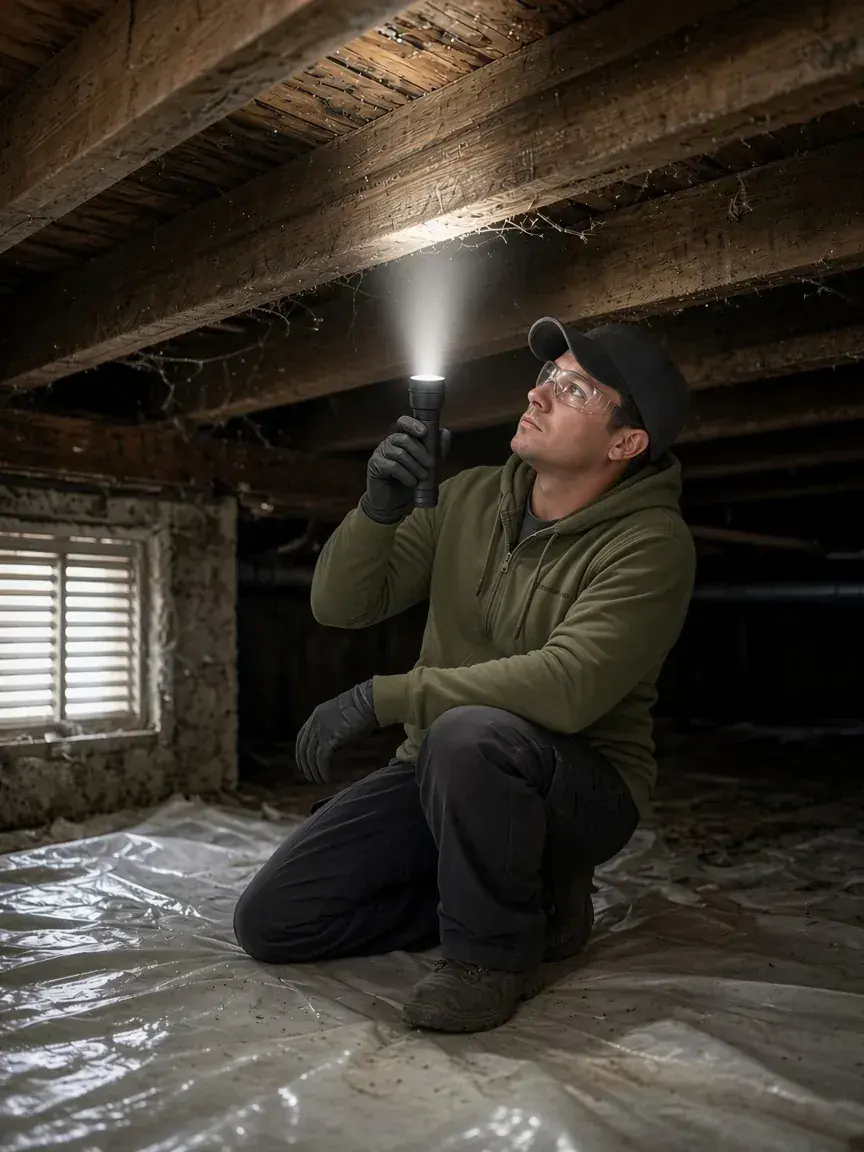

Burrowing rats along foundations in Eagle, Garden City and Boise.
Norway rat: signs and look alikesLocal pages: Eagle and Middleton. In the foothills, see our notes on Eagle foothills communities such as Avimor and Dry Creek Ranch.
Back to all rats in Idaho.
Written by the ProGuard team from the sources above. Last updated: November 17, 2026. This page is general information, not medical advice. If you are worried about a bite or your health, talk to a doctor.
Call, text or send a few details. We’ll give you a free quote before any work starts, and there are no contracts.