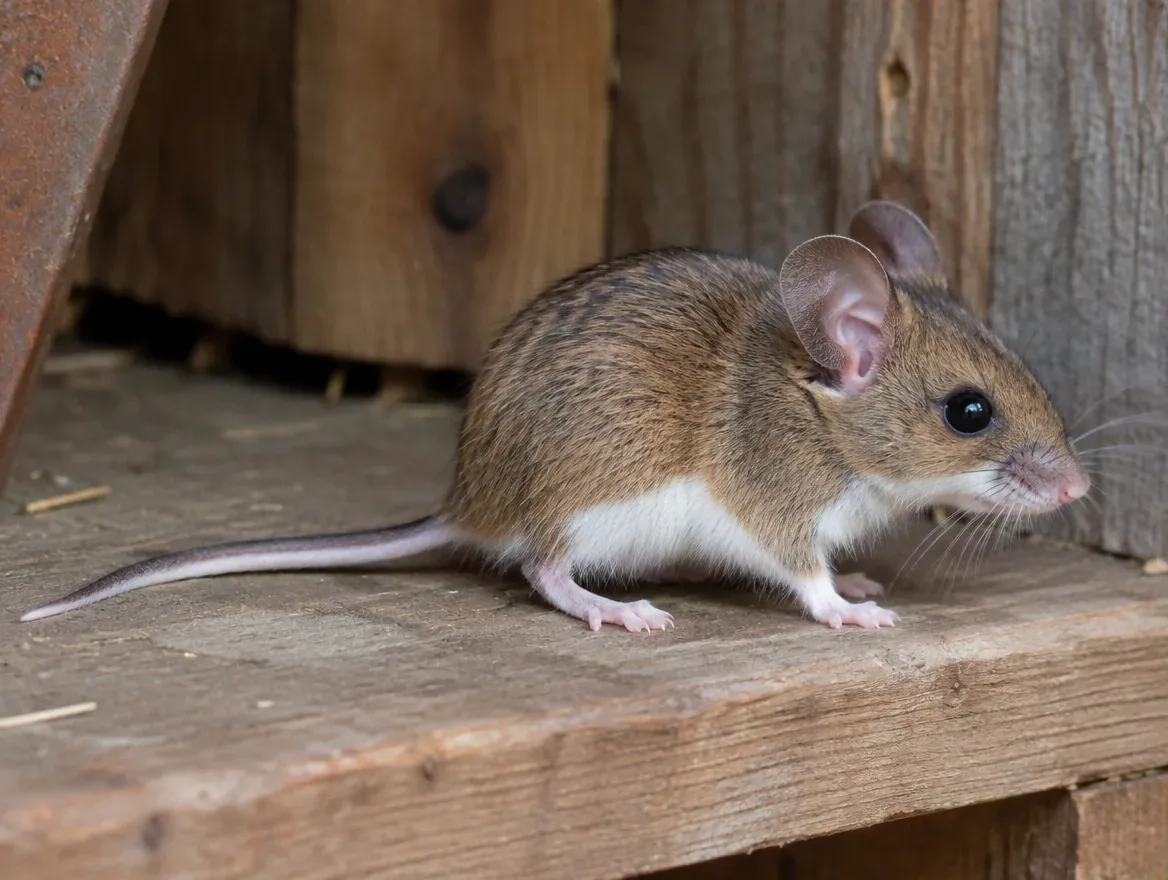
In short: deer mice are the Idaho mice that carry Sin Nombre hantavirus. Infections are rare, about one a year is reported in Idaho, but the risk is higher in spring and summer in cabins, sheds and outbuildings. Never sweep or vacuum droppings. Wet them down, wipe them up and wear gloves.
Deer mice are easy to tell from house mice when you can see one. The coat is two toned, brown on top and white underneath, and the tail is furred, not nearly bare. The eyes and ears are larger than a house mouse’s.
They prefer fields and forests but move into buildings, especially cabins, sheds, barns, garages and campsites. They store seeds in caches in walls and nests.
Gray brown all over with a nearly hairless tail and a musky odor.
Stocky with short tails, mostly outdoors. Vole control is not part of the quarterly plan. If you’re dealing with voles, call or text and we’ll give you a free quote.
Central District Health says Sin Nombre virus in Idaho is carried by deer mice. The risk is greater in spring and summer when people open and clean cabins, sheds, campsites and outbuildings that have been closed up. Because deer mice prefer fields and forests, homes and outbuildings close to open land are more likely to see them.
The health district reports about one infection a year in Idaho and says the risk to the public from other hantavirus strains, including Andes virus, is very low. Sin Nombre virus is not spread from person to person.
Sin Nombre virus can cause hantavirus pulmonary syndrome, a serious illness. People get infected mostly by breathing in dust from dried droppings, urine and nests, which is why cleanup matters. If you become ill, especially with fever or trouble breathing, after contact with mice or their droppings, see a doctor and mention the exposure.
The Idaho health district reminds readers that the risk is low overall. Safe cleanup and keeping mice out are the best protection.
We find how mice are getting into your home or outbuilding, set traps where the activity is and seal the gaps. If there are a lot of droppings, follow the cleanup steps above first.
Rodent service is included with our quarterly plans, and traps and sealing materials are billed separately. Quarterly plan customers get a free return visit if rodents come back between visits, and there are no contracts. We work family and pet safe. Treated areas are safe for kids and pets once they’re dry, which is usually about 15 to 20 minutes.
Learn more on our rodent control in the Treasure Valley page, or request a free quote.
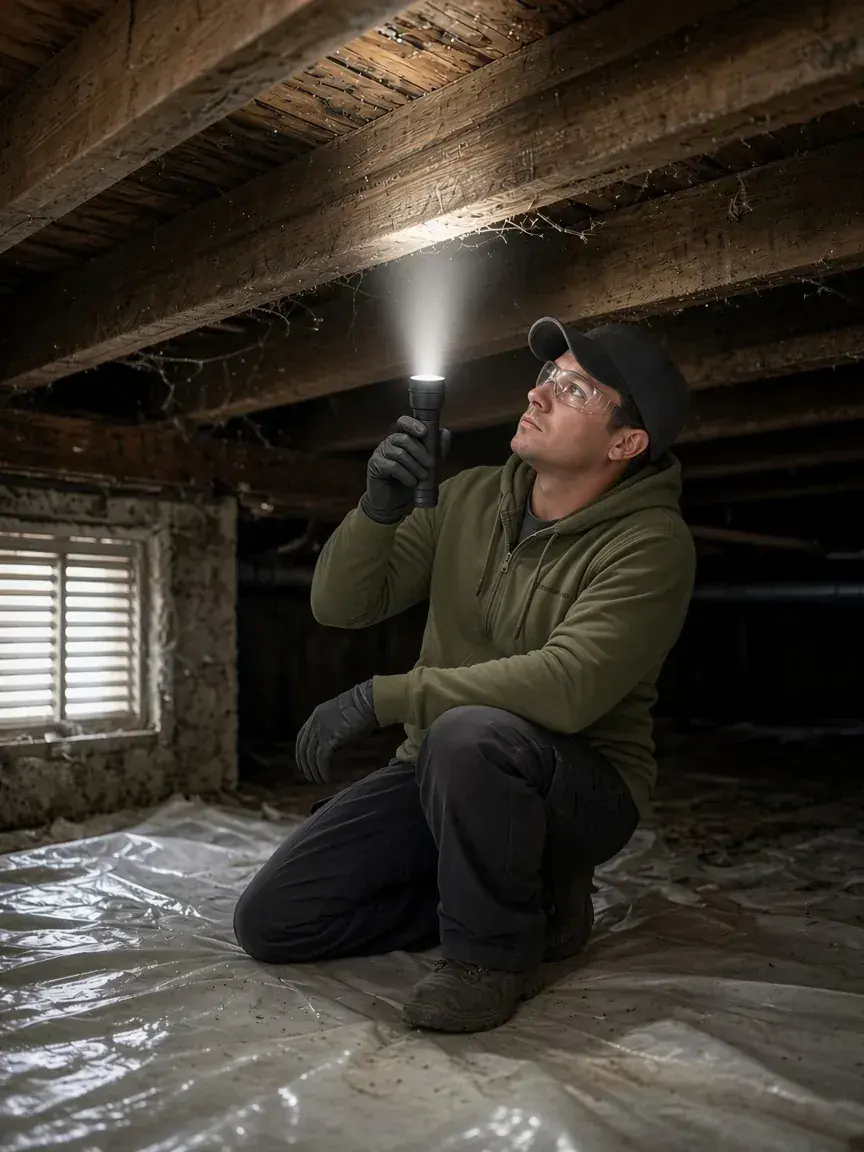

Burrowing rats along foundations in Eagle, Garden City and Boise.
Norway rat: signs and look alikesAlso in this section: Western harvest mouse. Local pages: Eagle and Star. In the foothills, see our notes on Eagle foothills communities such as Avimor and Dry Creek Ranch.
Back to all mice in Idaho.
Written by the ProGuard team from the sources above. Last updated: November 17, 2026. This page is general information, not medical advice. If you are worried about a bite or your health, talk to a doctor.
Call, text or send a few details. We’ll give you a free quote before any work starts, and there are no contracts.