Local, family and veteran owned ยท Eagle, IDMon to Sat, 9 AM to 6 PM.
Customer Portalemail usCall or text 208-352-2062

Earwigs in Idaho

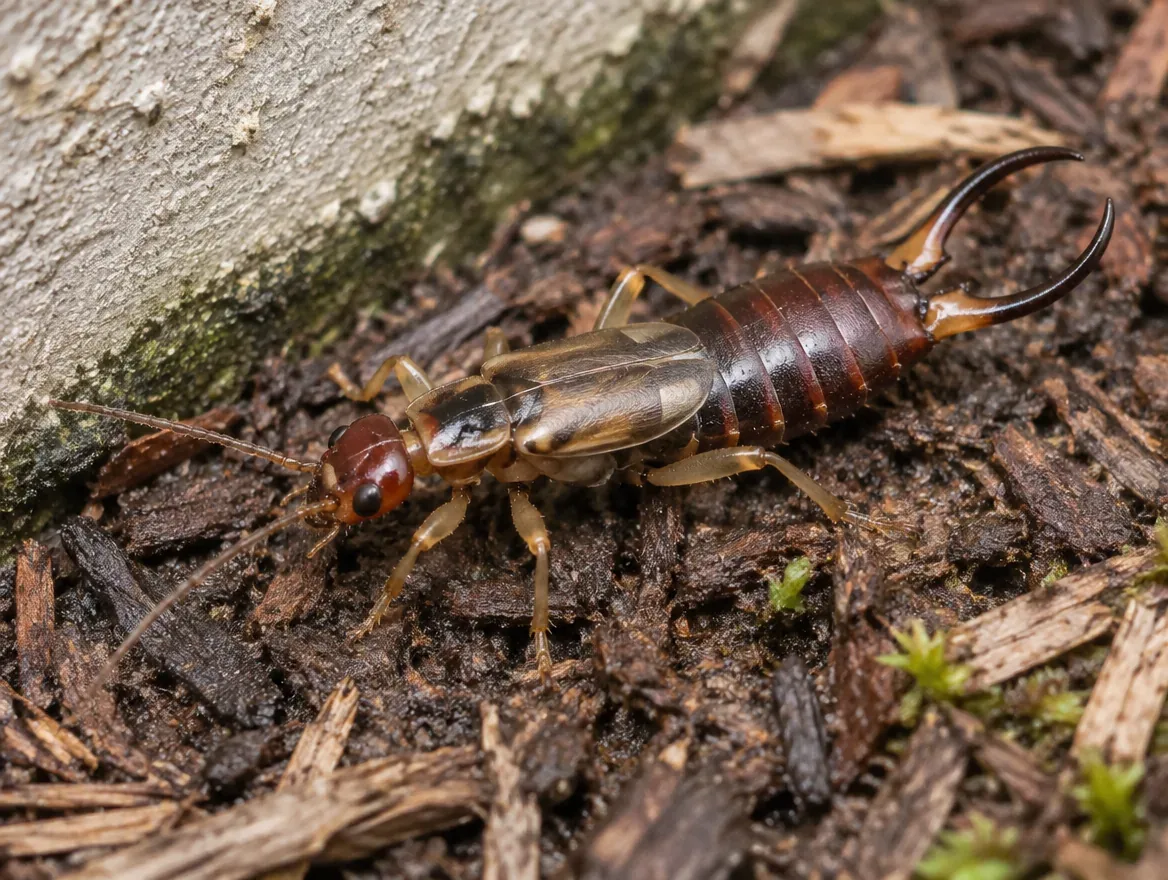
In short: the earwig around Idaho homes is the European earwig, a reddish brown insect about 3/4 inch long with pincers at the tail. UC IPM says earwigs feed at night and hide by day in dark, cool, damp places. They eat seedlings and soft fruit as well as other insects.

Identify it

How do you identify an earwig?

The pincers give it away. UC IPM describes the adult European earwig as about 3/4 inch long and reddish brown, with a pair of pincers, called forceps, at the end of the body. Males have curved pincers and females have straighter ones. Earwigs have short wings folded under small wing covers, and although they can fly, they rarely do.

Young earwigs look like small, pale adults. A female earwig guards her eggs and young in a small underground nest, which is unusual for an insect.

At a glance

Species
European earwig, Forficula auricularia
Look
Reddish brown, flat, about 3/4 inch, with pincers at the tail
Pincers
Curved in males and straighter in females
Active
At night
Hides
Under mulch, boards, pots, rocks and in damp, dark gaps
Feeds on
Seedlings, soft fruit, flowers, decaying plant material and other insects
Indoors
Wander in from damp areas near the foundation
Health
Harmless. The pincers can give a mild pinch
Look alikes

What else could it be?

Rove beetles

Long and slender with short wing covers, but no pincers at the tail.

Silverfish

Silvery, carrot shaped and wingless, with three thin tails instead of pincers.

Centipedes

Many legs, one pair per body segment, and quick moving.

Where and when

Where do earwigs live around Eagle and Boise homes?

UC IPM notes that earwigs feed most actively at night and look for dark, cool, moist places to hide during the day. Around a Treasure Valley home that means mulch beds, drip lines, flower pots, boards, firewood and the gap under a door mat, all made more inviting by sprinklers that keep the foundation wet.

When numbers are high in summer, or when it turns hot and dry, earwigs wander into garages, basements and kitchens through gaps under doors and around the foundation.

Signs to look for

  • Reddish brown insects with pincers under pots, mats and boards
  • Ragged holes in seedlings, flowers and soft fruit
  • Earwigs in garages, basements and bathrooms
  • Clusters in damp mulch along the foundation
Health and safety

Are earwigs dangerous?

No. Despite the old tales, earwigs do not crawl into ears. They can pinch if picked up, but the pinch is mild and harmless. UC IPM notes they also eat aphids and other insects, so they are partly helpful in the garden.

How ProGuard handles it

How does ProGuard handle earwigs?

When earwigs keep coming inside, we treat the foundation, mulch edges and entry points where they hide and point out moisture problems that keep them close to the house. Earwigs are covered pests on our residential plans.

Quarterly visits keep the protection up, and quarterly plan customers get a free return visit if covered pests come back between visits. There are no contracts. We work family and pet safe. Treated areas are safe for kids and pets once they’re dry, which is usually about 15 to 20 minutes.

Learn more on our residential pest control details page, or request a free quote.
When to call a professional

  • Earwigs keep showing up indoors
  • Numbers around the foundation are very high
  • You have tried trapping and drying things out and they keep coming back
  • You want a full exterior treatment for several kinds of crawling pests
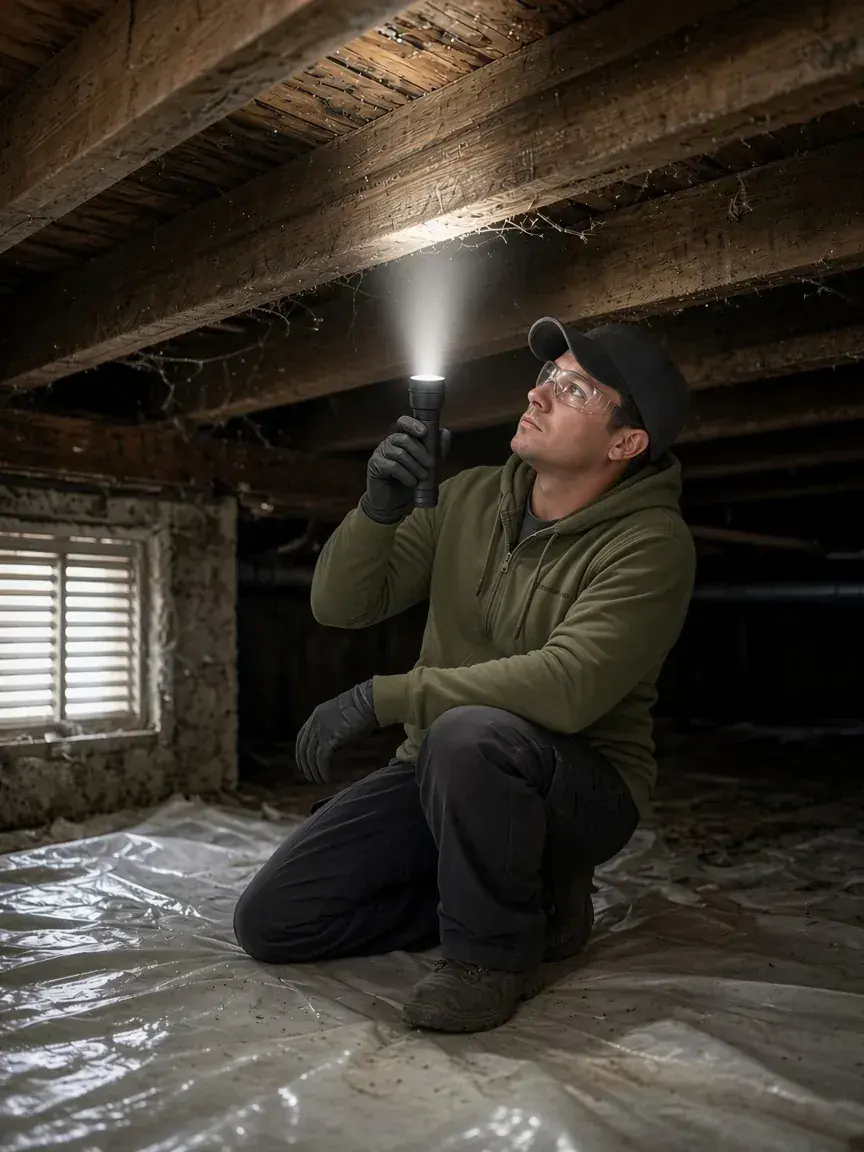
ProGuard technician checking crawlspace floor joists for signs of mice and spiders
Questions

What do people ask about earwig?

Do earwigs crawl into people’s ears?
No. That is an old myth. Earwigs hide in dark, tight spaces, but not in ears.
Do earwigs bite?
They can pinch with the pincers if handled. It is mild and harmless.
Why are there earwigs in my house?
They come in from damp spots near the foundation, especially in summer. Drying out the area and sealing gaps helps.
Are earwigs good or bad for my garden?
Both. UC IPM says they damage seedlings and soft fruit but also eat aphids and other insects.
Does ProGuard treat earwigs?
Yes. Earwigs are covered pests on our residential plans. Call or text us for a free quote.
Keep reading

Related guides

Silverfish

Shiny, wingless insects that like damp rooms and paper.

Silverfish guide

Centipede

Quick, many legged hunters, including the house centipede.

Centipede: signs and look alikes

Pill bug

Roly polys and sowbugs: tiny crustaceans from damp soil.

Read about the pill bug

Residential pest control

See what the service includes and how it works.

How our residential pest control works

Also in this section: Elm seed bug, Western conifer seed bug, Brown marmorated stink bug. Local pages: Emmett and Caldwell.

Back to all other insects guides.

Sources

  1. UC Statewide IPM Program: Earwigs

Written by the ProGuard team from the sources above. Last updated: November 17, 2026. This page is general information, not medical advice. If you are worried about a bite or your health, talk to a doctor.

Ready to keep pests out of your home?

Call, text or send a few details. We’ll give you a free quote before any work starts, and there are no contracts.