Local, family and veteran owned ยท Eagle, IDMon to Sat, 9 AM to 6 PM.
Customer Portalemail usCall or text 208-352-2062

Silverfish in Idaho Homes

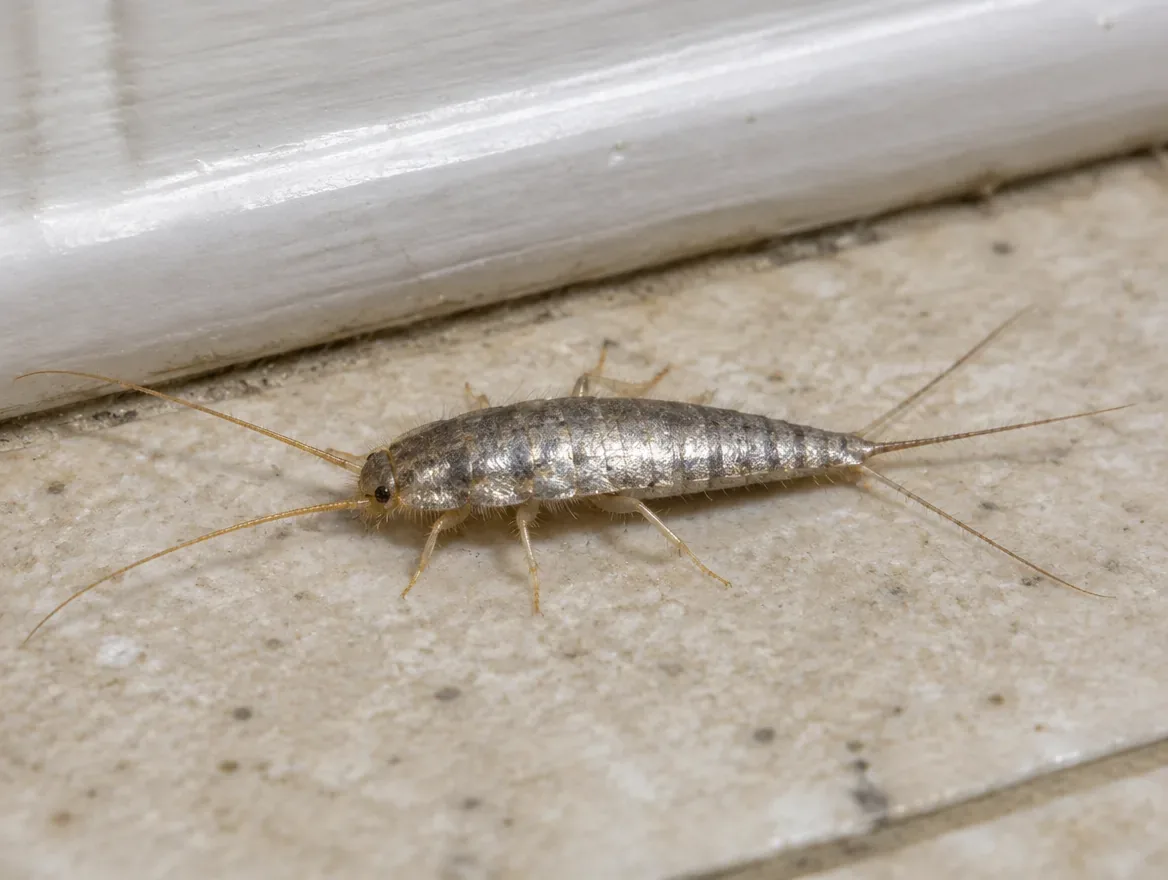
In short: silverfish are shiny, silver gray, wingless insects about 1/2 inch long with a carrot shaped body and three thin tails. UC IPM says they need a lot of moisture and feed on starch, paper, glue, cereal and fabric. Drying out bathrooms, basements and closets and cutting clutter is the most useful step.

Identify it

How do you identify silverfish?

UC IPM describes the common silverfish as shiny, silver or pearl gray and about 1/2 inch long, sometimes reaching 3/4 inch. The body tapers from head to tail like a carrot, and three long, thin bristles stick out from the back end. Silverfish have no wings and move with a wiggle, a little like a fish.

A close relative, the firebrat, looks similar but is mottled gray or brown and prefers very warm spots near furnaces and water heaters.

At a glance

Species
Common silverfish, Lepisma saccharina
Look
Shiny silver or pearl gray, carrot shaped and wingless, with three tails
Size
About 1/2 inch, up to 3/4 inch
Active
At night, and quick to hide
Feeds on
Paper, glue, book bindings, wallpaper paste, starch in clothing, cereal and flour
Where
Bathrooms, basements, closets, bookshelves and storage boxes
Needs
High humidity
Health
Harmless to people
Look alikes

What else could it be?

Firebrats

Same shape but mottled gray or brown, and found in hot spots like furnace rooms.

House centipedes

Many long legs along the body and very long antennae.

Earwigs

Reddish brown with pincers at the tail instead of three bristles.

Where and when

Where do silverfish live in Treasure Valley homes?

Silverfish need moisture. UC IPM says they require a lot of it, so they settle in bathrooms, laundry rooms, basements, crawlspaces and closets on outside walls. They hide in cracks by day and come out at night to feed. UC IPM notes they prefer dry foods such as cereal, flour and pasta, paper with glue or paste, book bindings, wallpaper and starch in clothing.

Stored boxes of papers, books and clothing in a basement or garage give them both food and cover. Fresh construction and damp areas can bring them in too.

Signs to look for

  • Shiny, silver insects darting away when you turn on a light
  • Irregular holes or scraped areas on paper, book covers or wallpaper
  • Yellowish stains or tiny scales on stored items
  • Silverfish trapped in sinks and tubs
Health and safety

Are silverfish harmful?

No. Silverfish do not bite or carry disease. UC IPM notes their jaws are so weak they scrape rather than bite paper. The harm is to books, papers, photos, wallpaper and stored clothing.

How ProGuard handles it

How does ProGuard handle silverfish?

We treat the cracks and voids where silverfish hide, such as baseboards, plumbing openings and storage areas, and point out moisture problems that keep them coming back. Silverfish are not covered by our quarterly plan.

Quarterly visits keep the protection up, and quarterly plan customers get a free return visit if covered pests come back between visits. There are no contracts. We work family and pet safe. Treated areas are safe for kids and pets once they’re dry, which is usually about 15 to 20 minutes.

Learn more on our residential pest control in the Treasure Valley page, or ask for a free quote online.

When to call a professional

  • You see silverfish often, in several rooms
  • Books, papers or stored clothing are being damaged
  • Drying things out has not helped
  • You are not sure what insect you are seeing
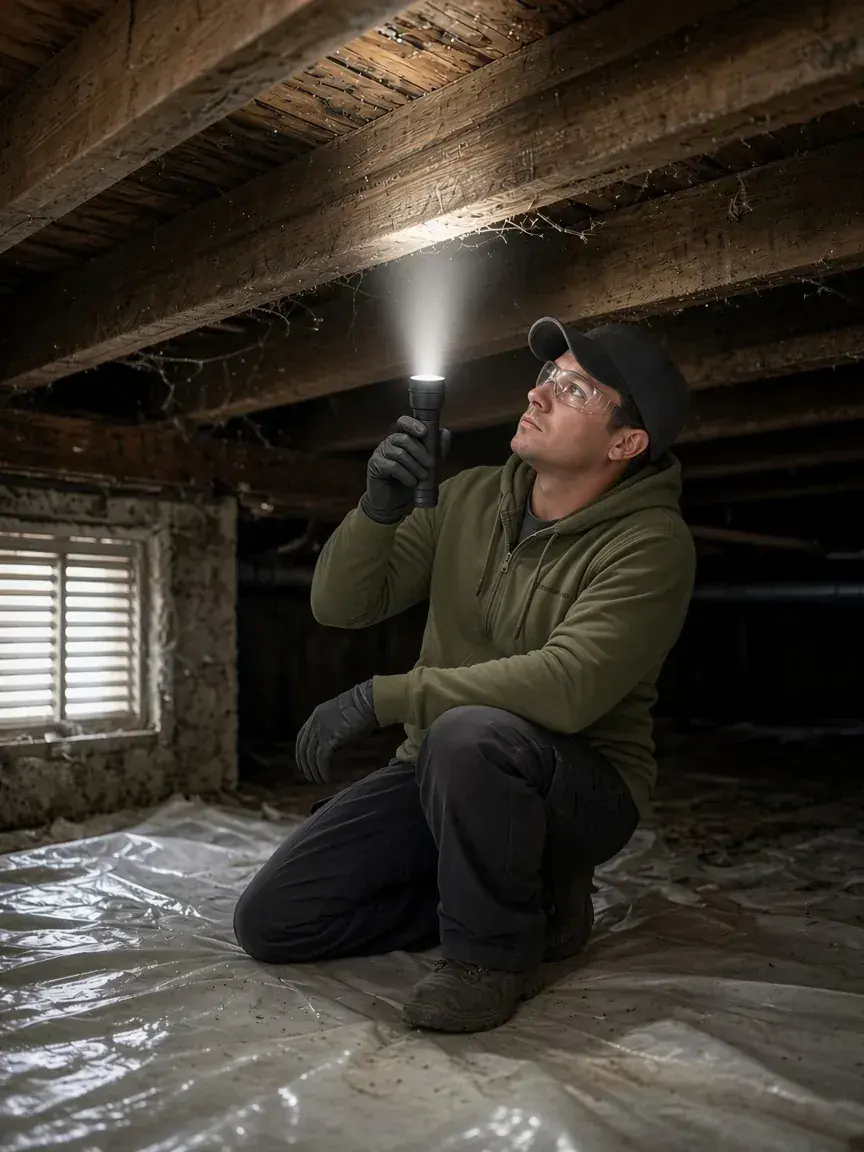
ProGuard technician checking crawlspace floor joists for signs of mice and spiders
Questions

What do people ask about silverfish?

Do silverfish bite?
No. UC IPM notes their jaws are very weak. They scrape paper instead of biting.
What attracts silverfish?
Moisture first, then food such as paper, glue, starch, cereal and flour.
Why do I find silverfish in the tub?
They wander at night looking for moisture and cannot climb the smooth sides to get out.
Does ProGuard treat silverfish?
Silverfish are not covered by our quarterly plan. Call or text us and we can talk through your options.
Keep reading

Related guides

Earwig

Pincered night feeders from damp mulch and flower beds.

Earwig facts for Idaho

Centipede

Quick, many legged hunters, including the house centipede.

Centipede guide

Carpet beetle

Tiny mottled beetles whose fuzzy larvae chew wool and fabric.

Carpet beetle: signs and look alikes

Residential pest control

See what the service includes and how it works.

More about residential pest control

Also in this section: Elm seed bug, Western conifer seed bug, Brown marmorated stink bug. Local pages: Emmett and Caldwell.

Back to all other insects guides.

Sources

  1. UC Statewide IPM Program: Silverfish and firebrats

Written by the ProGuard team from the sources above. Last updated: November 17, 2026. This page is general information, not medical advice. If you are worried about a bite or your health, talk to a doctor.

Ready to keep pests out of your home?

Call, text or send a few details. We’ll give you a free quote before any work starts, and there are no contracts.