Local, family and veteran owned ยท Eagle, IDMon to Sat, 9 AM to 6 PM.
Customer Portalemail usCall or text 208-352-2062

House Mice in Idaho

In short: the house mouse is the mouse that lives with people. It fits through a gap about 1/4 inch wide, breeds year round indoors and leaves droppings, gnaw marks and nests. The best control is sealing every gap with metal, then trapping the mice already inside.

Identify it

How do you tell you have house mice?

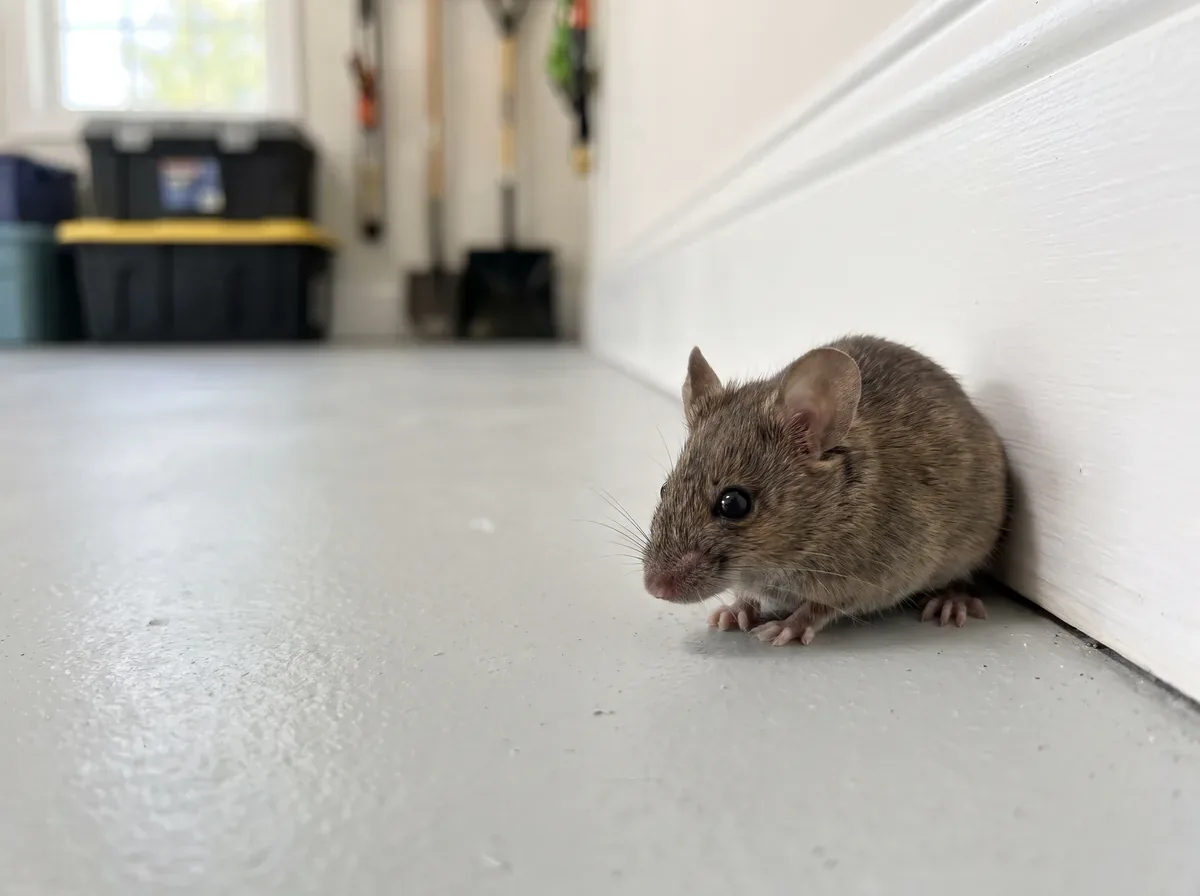
House mice are small, gray brown rodents with a nearly hairless tail. A fully grown mouse is only 5 to 7 inches long including the tail. They are secretive and mostly active at night, so you often see the signs before you see the mouse.

Look for droppings, gnaw marks, shredded paper or fabric nests, greasy rub marks along walls, and a musky odor. Pet food and seed feeders outside draw mice toward a home. Mouse tooth marks are about half the size of a rat’s.

At a glance

Scientific name
Mus musculus
Size
About 5 to 7 inches long including the tail
Look
Gray brown, with a nearly hairless tail and a musky odor
Droppings
Small dark pellets, scattered along walls and in hidden spots
Active
Mostly at night
Breeding
Year round indoors, 5 to 10 litters a year
Entry
Gaps about 1/4 inch wide
Risks
Contaminate food, damage wiring and insulation, spread germs and allergens
Look alikes

What else could it be?

Deer mice

Two toned: brown above, white below, with bigger eyes and ears and a furry tail. They prefer fields and outbuildings.

Baby rats

Rats have larger heads, feet and droppings than a mouse of the same size.

Voles

Stocky with short tails, living outdoors in lawns and gardens. Vole control is not part of the quarterly plan. If you’re dealing with voles, call or text and we’ll give you a free quote.

Where and when

When and where mice get in around the Treasure Valley

Mice are active all year. They live in wall voids, attics, crawl spaces, garages and stored boxes, and they follow edges and walls. A mouse can pass through an opening about 1/4 inch wide, about the size of a pencil.

Indoors, mice can breed all year and have 5 to 10 litters.

Signs to look for

  • Droppings along walls, in drawers and behind appliances
  • Gnawed packaging, wires or insulation
  • Scratching in walls or ceilings at night
  • Shredded nests in storage areas, insulation or vehicles
  • A musky odor in closed spaces
Health and safety

What risks do house mice carry?

Mice contaminate food with droppings and urine and can spread germs and trigger allergies. House mice can carry the lymphocytic choriomeningitis (LCM) virus. They also chew wiring and insulation, which can cause damage.

How ProGuard handles it

How does ProGuard handle house mice?

UC IPM puts it plainly: sealing out mice is the best long term solution, and trapping removes the ones already inside. That is how we work. We find where they get in, set traps where the activity is and seal the gaps. Traps and sealing materials are billed separately from the service.

Rodent service is included with our quarterly plans, and traps and sealing materials are billed separately. Quarterly plan customers get a free return visit if rodents come back between visits, and there are no contracts. We work family and pet safe. Treated areas are safe for kids and pets once they’re dry, which is usually about 15 to 20 minutes.

Learn more on our our rodent control service page, or use our online quote form.
When to call a professional

  • You hear scratching in the walls or ceiling
  • You find droppings in more than one room
  • Traps catch one mouse and then more show up
  • You want the entry points found and sealed
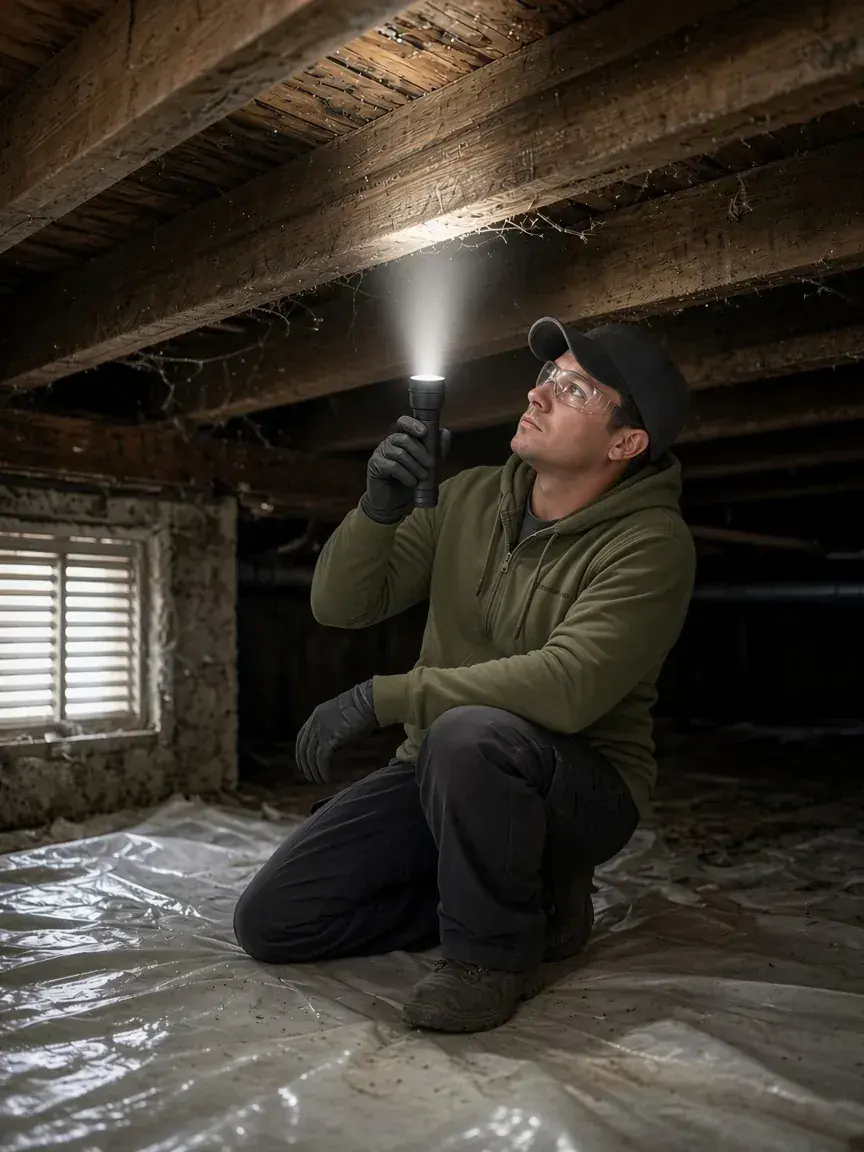
ProGuard technician checking crawlspace floor joists for signs of mice and spiders
Questions

What do people ask about house mouse?

How do mice get into a house?
Through gaps about 1/4 inch wide: around pipes and wires, gaps under doors, vents and cracks in the foundation. Sealing them with steel wool or metal is the most effective fix.
What is the best way to get rid of mice?
Seal entry points with materials mice cannot chew through, and use snap traps along walls where they travel. Without sealing, new mice replace the ones you trap.
Are house mice dangerous?
They contaminate food and can spread germs, trigger allergies and damage wiring.
Does ProGuard handle mice?
Yes. We set traps and seal entry points, and rodent service is included with our quarterly plans. Traps and sealing materials are billed separately. Call or text for a free quote.
Keep reading

Related guides

Deer mouse

Sin Nombre hantavirus facts and safe cleanup for Idaho.

Deer mouse guide

Norway rat

Burrowing rats along foundations in Eagle, Garden City and Boise.

Norway rat facts for Idaho

Odorous house ant

The most common ant in Idaho homes, and the rotten coconut smell.

Odorous house ant guide

Rodent control

See what the service includes and how it works.

Rodent control details

Also in this section: Western harvest mouse. Local pages: Eagle and Star.

Back to all mice in Idaho.

Sources

  1. UC Statewide IPM Program: House mouse
  2. UC Statewide IPM Program: Rats
  3. Central District Health: Rats and rodent prevention in Ada County

Written by the ProGuard team from the sources above. Last updated: November 17, 2026. This page is general information, not medical advice. If you are worried about a bite or your health, talk to a doctor.

Ready to keep pests out of your home?

Call, text or send a few details. We’ll give you a free quote before any work starts, and there are no contracts.