Local, family and veteran owned · Eagle, IDMon to Sat, 9 AM to 6 PM.
In short: yellowjackets are stocky, bright yellow and black wasps that nest in the ground, in wall voids and in enclosed paper nests. UC IPM calls them the most troublesome wasps in the West, because ground and wall nesters defend the nest hard. Late summer is the worst time, when colonies are big and the workers go after sweets and meat.
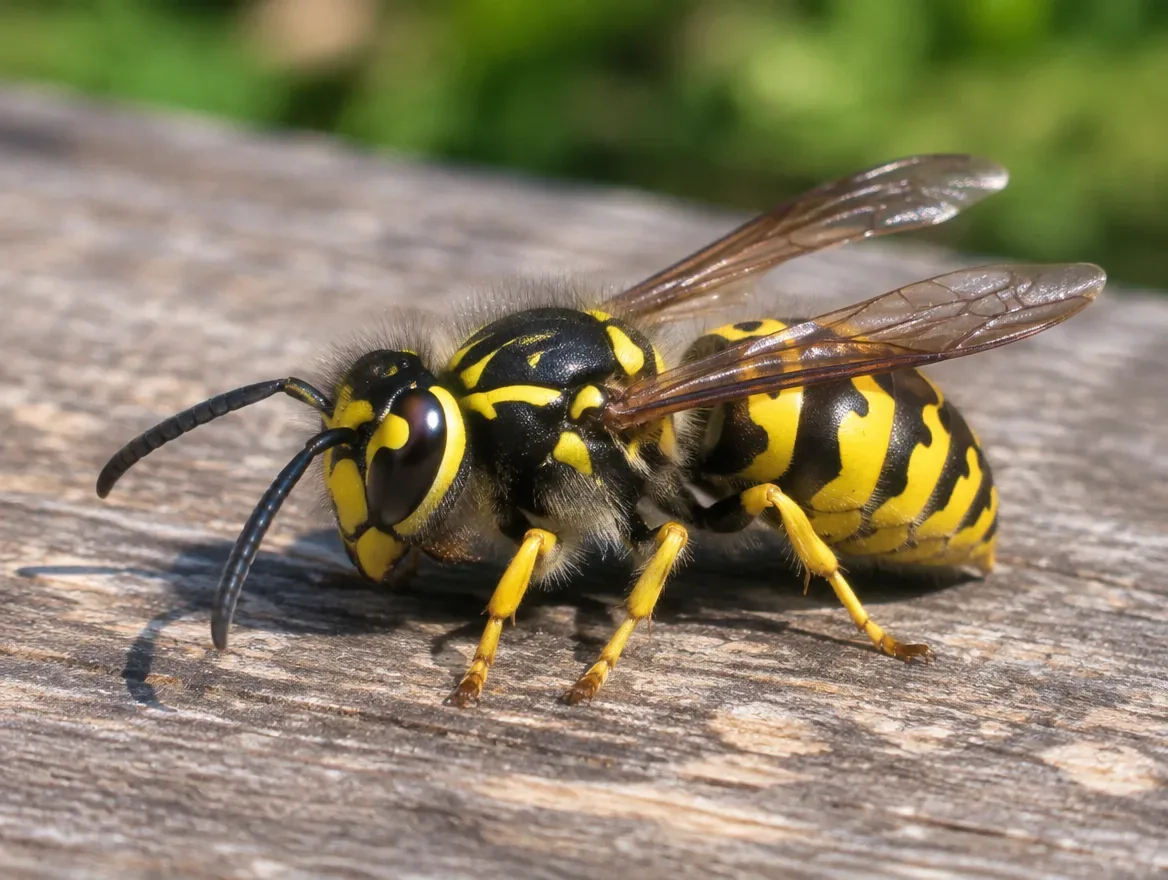
UC IPM describes yellowjackets as 1/2 to 1 inch long with jagged, bright yellow and black stripes. They look compact and tough, with a short waist, and they fly quickly in a side to side pattern, especially around food. Honey bees are fuzzier and brown and gold, and they rarely bother a picnic.
The nest is usually hidden. UC IPM notes yellowjackets nest in holes in the ground, inside wall cavities or in hanging nests completely wrapped in gray paper with one entrance. Most of the time you find the nest by seeing a steady line of wasps going in and out of one hole in the lawn or a crack in the siding.
Slimmer, with long dangling legs and an open, uncovered comb under an eave. Much less defensive.
Larger and black with white markings, with a big gray nest hanging in a tree or from a building.
Fuzzy, golden brown and gentler. They visit flowers and rarely sting unless stepped on or trapped.
A single mated queen spends the winter in a sheltered spot and starts a nest in spring when the weather warms, UC IPM says. Western yellowjackets favor old rodent burrows and other holes in the ground, so lawns, flower beds and the edges of patios are common spots. Others move into wall voids, crawlspaces and attics through small gaps.
Colonies grow all summer and live only one season. By late summer they are at their largest and the workers want sugar, which is when they crowd trash cans, fruit trees, soda cans and barbecues. University of Idaho Extension’s guide to minor stinging insects covers these same habits for Idaho.
Yellowjackets cause more stings than any other wasp around homes. UC IPM says ground and cavity nesters defend the nest vigorously, and a single worker can sting more than once. Mowing over a ground nest or plugging a wall entrance often sets off many wasps at once.
If someone is stung and has trouble breathing, or swelling of the face, lips or throat, call 911. For a sting that swells a lot or gets worse, call a doctor.
Ground and wall nests are the ones we recommend leaving to a professional. We find the nest, treat it at the entrance with the right protective gear and come back if more wasps show up.
Quarterly visits keep the protection up, and quarterly plan customers get a free return visit if covered pests come back between visits. There are no contracts. We work family and pet safe. Treated areas are safe for kids and pets once they’re dry, which is usually about 15 to 20 minutes.
Learn more on our residential pest control details page, or reach out through our contact page.
Umbrella shaped nests under eaves, and the slender wasps that build them.
Paper wasp: signs and look alikesBlack and white hornets with big gray paper nests in trees.
Read about the bald faced hornetSee what the service includes and how it works.
How our residential pest control worksAlso in this section: Ground-nesting yellowjacket, European paper wasp. Local pages: Garden City and Middleton.
Back to all identify your wasps and hornets.
Written by the ProGuard team from the sources above. Last updated: November 17, 2026. This page is general information, not medical advice. If you are worried about a bite or your health, talk to a doctor.
Call, text or send a few details. We’ll give you a free quote before any work starts, and there are no contracts.
