Local, family and veteran owned · Eagle, IDMon to Sat, 9 AM to 6 PM.
In short: lady beetles, or ladybugs, are good garden insects that eat aphids. University of Idaho Extension calls them very abundant in Idaho. Some kinds, especially the multicolored Asian lady beetle, gather on sunny walls in fall and squeeze inside to spend the winter, then wander out on warm days. Sealing gaps and vacuuming them up is the usual answer.
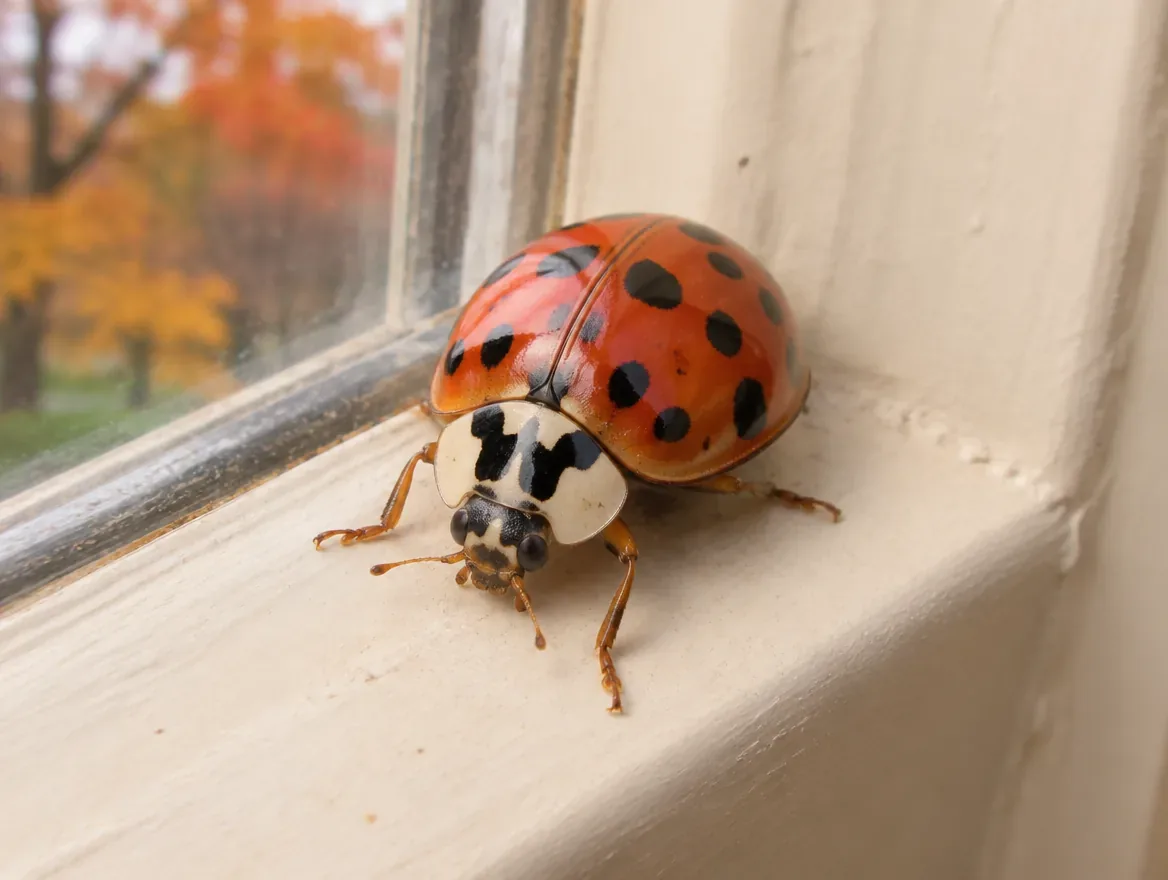
Most people know a lady beetle on sight: a small, shiny, dome shaped beetle, orange or red, often with black spots. The multicolored Asian lady beetle varies a lot, from pale orange with no spots to deep red with many, and it usually has a black mark shaped like an M or W just behind the head.
The larvae look nothing like the adults. They are long and spiny, dark gray or black with orange markings, and people sometimes mistake them for a pest. University of Idaho Extension notes that lady beetle larvae are excellent predators. They eat large numbers of aphids before they pupate.
Flat and longer, black with red lines, and they also gather on sunny walls in fall.
Much smaller, about 1/8 inch, mottled or black, and found on windowsills in spring.
Some garden beetles are spotted too, but they are often more oval and feed on leaves rather than aphids.
Colorado State University Extension explains that several kinds of lady beetles look for sheltered places to spend the winter. The multicolored Asian lady beetle is the one most likely to come indoors. On warm fall afternoons they fly to light colored, sunny walls, then crawl into gaps around windows, siding, soffits and attic vents.
Once inside the walls or attic, they stay quiet through the cold. On warm, sunny winter days and in early spring, some find their way into living space and gather at windows, trying to get back outside. They do not breed or feed indoors.
No. They do not carry disease, eat wood or breed inside. The multicolored Asian lady beetle may give a small pinch, and the yellow fluid they release can stain fabric and smell bad. A few people are sensitive to them. If you have allergy symptoms that do not clear up, talk to a doctor.
Lady beetles are helpful outside, so the goal is to keep them out of the house, not to wipe them out. Before they gather in fall, we treat the sunny sides of the house and the gaps where they get in and point out openings worth sealing. Lady beetles are covered pests on our residential plans.
Quarterly visits keep the protection up, and quarterly plan customers get a free return visit if covered pests come back between visits. There are no contracts. We work family and pet safe. Treated areas are safe for kids and pets once they’re dry, which is usually about 15 to 20 minutes.
Learn more on our more about residential pest control page, or send us a few details online.
See what the service includes and how it works.
Our residential pest control serviceAlso in this section: Elm leaf beetle, Ground beetle, Larder beetle. Local pages: Boise and Garden City.
Back to all beetles in Idaho.
Written by the ProGuard team from the sources above. Last updated: November 17, 2026. This page is general information, not medical advice. If you are worried about a bite or your health, talk to a doctor.
Call, text or send a few details. We’ll give you a free quote before any work starts, and there are no contracts.
