Local, family and veteran owned ยท Eagle, IDMon to Sat, 9 AM to 6 PM.
Customer Portalemail usCall or text 208-352-2062

Boxelder Bugs in Idaho

In short: boxelder bugs are flat, black and red true bugs about 1/2 inch long that feed on boxelder and maple seeds. University of Idaho Extension says the western boxelder bug is the one found through the Treasure Valley. They are harmless, but in fall they gather by the hundreds on sunny walls and slip inside to spend the winter.

Identify it

How do you identify a boxelder bug?

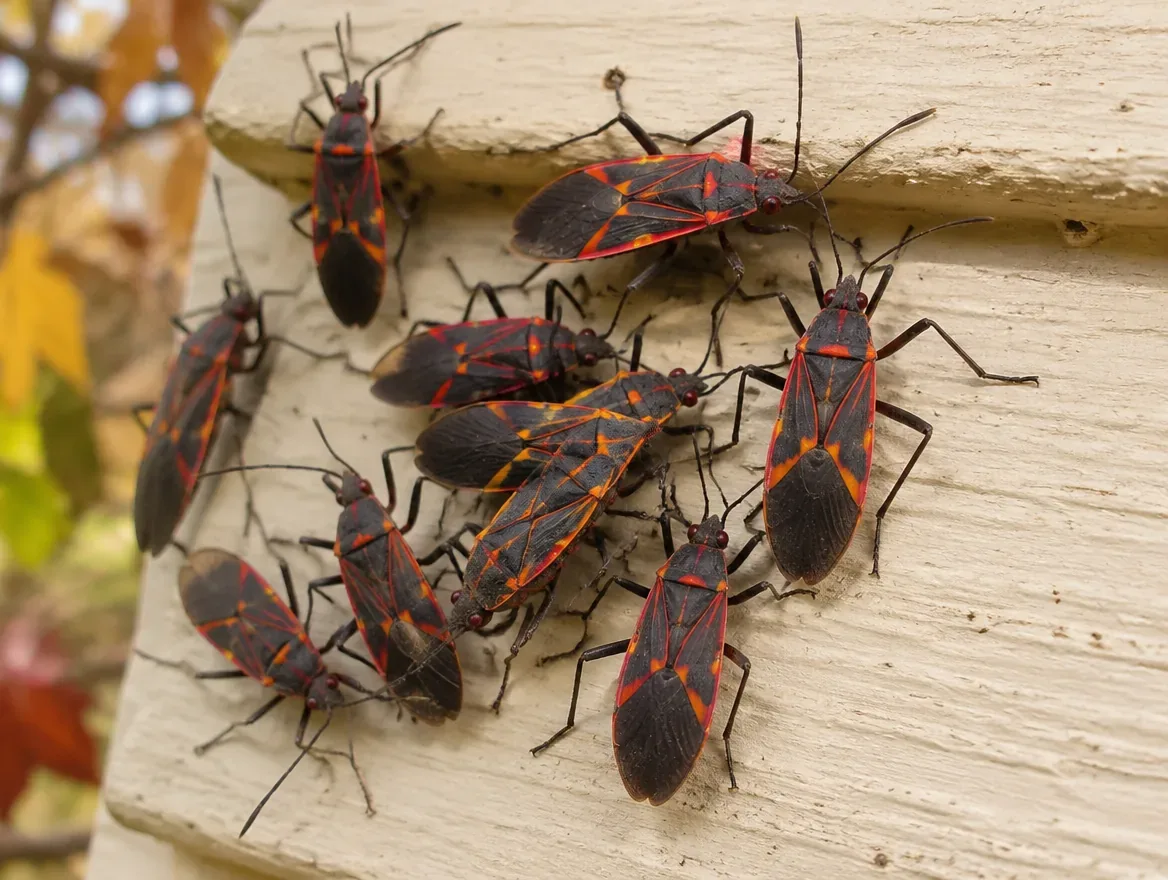
University of Idaho Extension describes adult boxelder bugs as flattened, elongate insects about 1/2 inch long, slate gray to black on top with reddish orange lines behind the head and along the sides. Under the wings the body is red. The young nymphs are bright red and wingless, and they darken as they grow.

Extension also points out that Idaho has two species. The western boxelder bug, with red wing veins, occurs from the panhandle south through the Treasure Valley and east through the Magic Valley. The eastern species is limited to the eastern third of the state. For managing them, the difference does not matter.

At a glance

Species
Western boxelder bug, Boisea rubrolineata
Look
Flat and elongate, about 1/2 inch, slate gray to black with reddish orange lines
Young
Bright red nymphs that darken as they grow
Host trees
Boxelder and, to a lesser degree, maple and other trees
Gathering
On sunny south and west walls in fall and on warm winter days
Indoors
They spend the winter in walls and attics and wander out on warm days
Damage
None to the house. They may stain fabric if crushed
Health
Harmless, though they can give a rare pinch
Look alikes

What else could it be?

Lady beetles

Round and dome shaped, orange or red with spots. They also gather on sunny walls in fall.

Milkweed bugs

Look similar but are much redder, and Extension notes they never gather in big numbers around homes.

Beetles in general

Beetles have hard wing covers meeting in a straight line down the back. True bugs like boxelder bugs fold their wings in an X.

Where and when

Why boxelder bugs gather on Treasure Valley homes?

Boxelder bugs feed on the seeds of female boxelder trees, along with maples and some other plants. In fall, adults leave the trees and look for a warm place to spend the winter. UC IPM notes they rest in the sun on light painted surfaces on the south and west sides of houses, then crawl into cracks around siding, windows, doors and attic vents.

They stay inside walls through the cold. On warm winter days and in early spring some come out into living rooms and windows, and in spring the survivors fly back to the trees to lay eggs.

Signs to look for

  • Clusters of black and red bugs on sunny siding, fences and rocks in fall
  • Bright red nymphs on boxelder or maple trees in summer
  • Bugs at windows on warm winter days
  • Small reddish stains where bugs have been crushed
Health and safety

Are boxelder bugs harmful?

No. University of Idaho Extension calls them a nuisance pest that is not particularly harmful. They do not damage the house, eat food or breed indoors. They can stain curtains or walls if crushed, and on rare occasions one may pinch.

How ProGuard handles it

How does ProGuard handle boxelder bugs?

Timing matters with boxelder bugs. We treat the sunny walls, eaves and entry points in late summer and early fall, before the bugs move in, and point out gaps worth sealing. Once they are inside the walls, treating is much less useful. Boxelder bugs are covered pests on our residential plans.

Quarterly visits keep the protection up, and quarterly plan customers get a free return visit if covered pests come back between visits. There are no contracts. We work family and pet safe. Treated areas are safe for kids and pets once they’re dry, which is usually about 15 to 20 minutes.

Learn more on our more about residential pest control page, or send us a few details online.
When to call a professional

  • Hundreds gather on your house every fall
  • Bugs keep showing up inside all winter
  • There is a large boxelder tree on or near your property
  • You want the house treated and sealed before fall
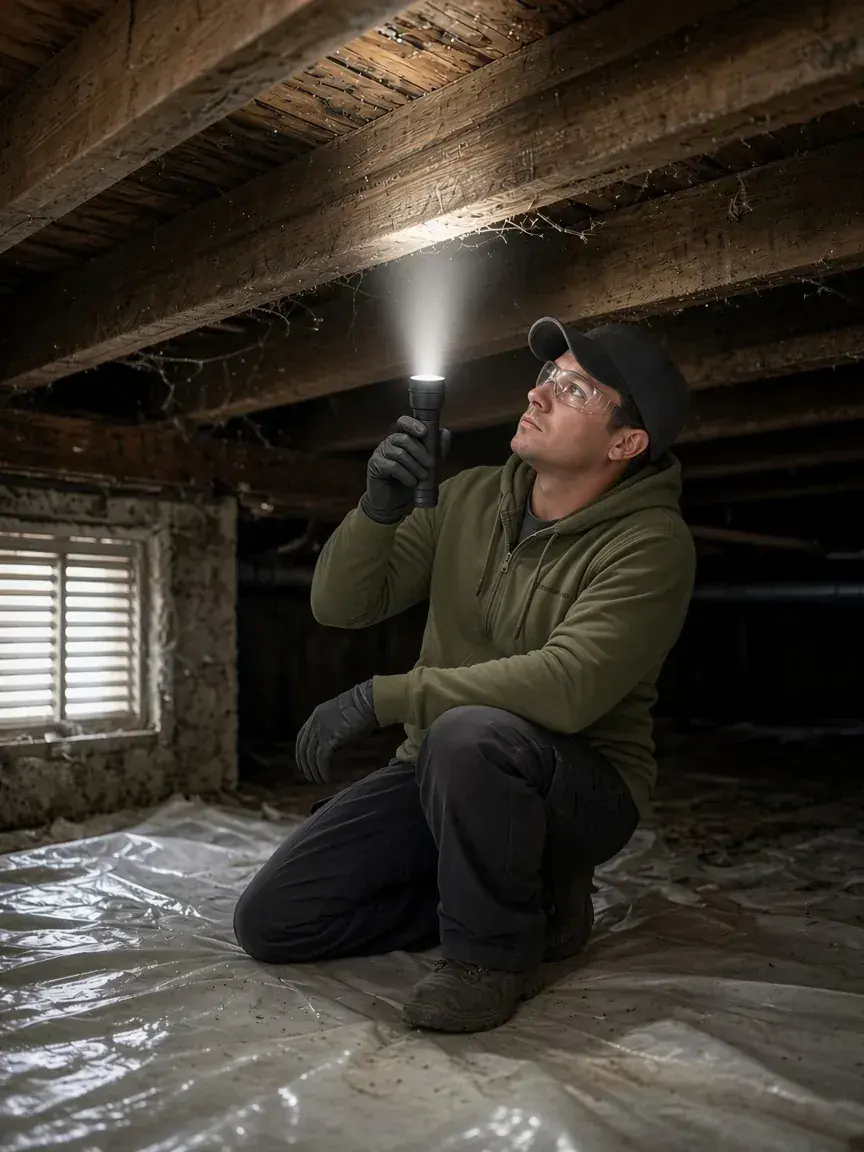
ProGuard technician checking crawlspace floor joists for signs of mice and spiders
Questions

What do people ask about boxelder bug?

Which boxelder bug lives in the Treasure Valley?
University of Idaho Extension says the western boxelder bug, Boisea rubrolineata, occurs through the Treasure Valley.
Do boxelder bugs bite?
They are not known to bite people, though one may rarely pinch. They are harmless.
Will boxelder bugs breed in my house?
No. They come in to spend the winter and go back to trees in spring to lay eggs.
How do I stop them coming inside?
Seal gaps before fall and have the sunny sides of the house treated in late summer or early fall.
Does ProGuard treat boxelder bugs?
Yes. Boxelder bugs are covered pests on our residential plans. Call or text us for a free quote.
Keep reading

Related guides

Lady beetle

Ladybugs gathering on sunny walls and windows every fall.

Lady beetle: signs and look alikes

Earwig

Pincered night feeders from damp mulch and flower beds.

Read about the earwig

Cricket

Chirping fall invaders and the fabric they can chew.

Cricket guide

Residential pest control

See what the service includes and how it works.

Our residential pest control service

Also in this section: Elm seed bug, Western conifer seed bug, Brown marmorated stink bug. Local pages: Emmett and Caldwell.

Back to all browse other insects guides.

Sources

  1. University of Idaho Extension: Boxelder Bug, Nuisance Management for Homeowners (CIS 1155)
  2. UC Statewide IPM Program: Boxelder bug

Written by the ProGuard team from the sources above. Last updated: November 17, 2026. This page is general information, not medical advice. If you are worried about a bite or your health, talk to a doctor.

Ready to keep pests out of your home?

Call, text or send a few details. We’ll give you a free quote before any work starts, and there are no contracts.