Local, family and veteran owned · Eagle, IDMon to Sat, 9 AM to 6 PM.
In short: house flies breed in garbage, manure, grass clippings and other moist, rotting material. UC IPM says they can go from egg to adult in as little as 7 days in summer, and each female lays several batches of 100 to 150 eggs. Removing what they breed in and keeping them out with screens matters far more than swatting adults.
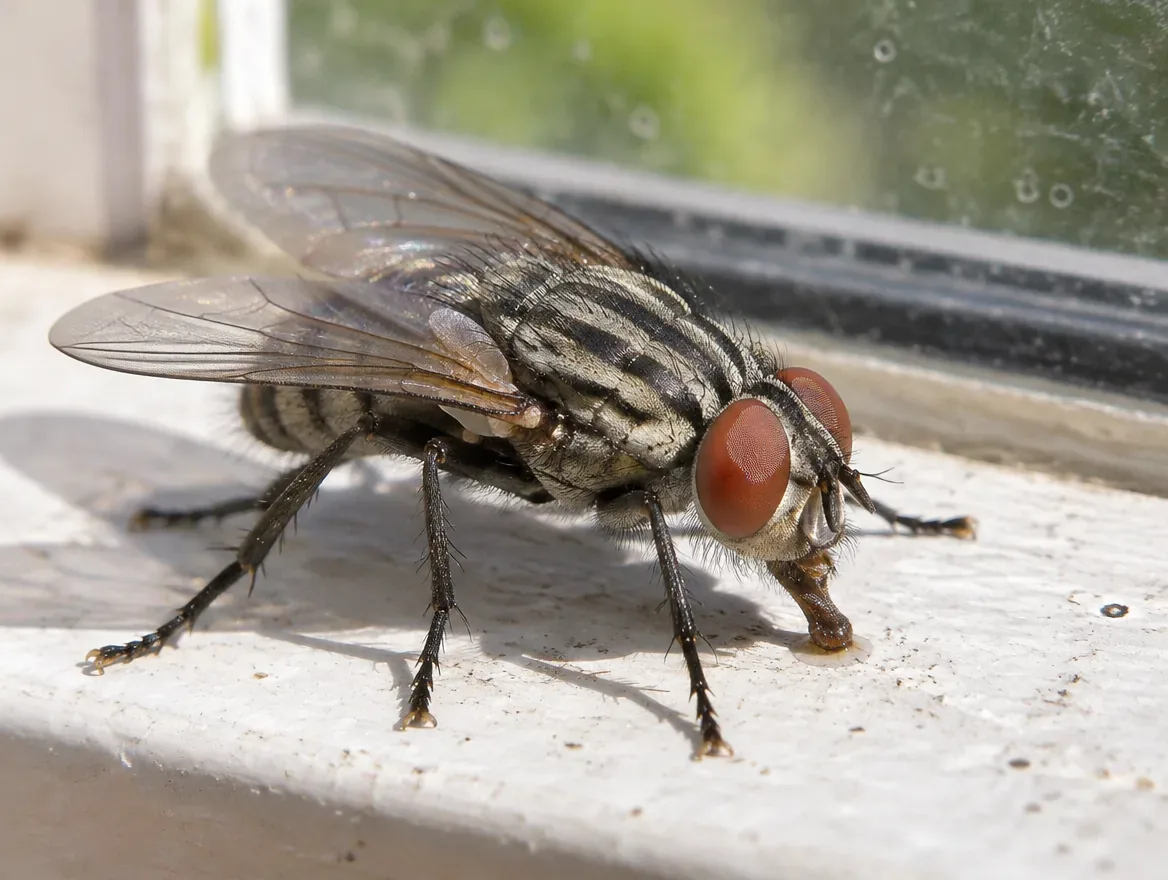
The house fly is the medium sized gray fly you find buzzing at windows and landing on food. It is about 1/4 inch long, with four dark stripes running down the back behind the head and red eyes. UC IPM describes the larvae, or maggots, as cream colored, blunt at the back and tapered to a point at the head.
UC IPM also describes the little house fly, about two thirds the size of a house fly and without the stripes. It tends to circle slowly in the middle of a room or a garage and is most common in the cooler weeks of spring and fall.
Shiny metallic blue or bronze, often a sign of something dead nearby or of garbage.
Larger and sluggish, and they gather in attics and on sunny walls in fall.
Tiny, tan with red eyes, and found around ripe fruit and drains.
UC IPM says house flies lay eggs in warm, moist, rotting material such as garbage, manure, lawn clippings, decaying vegetables and fruit, and soil soaked with any of those. Around a home that often means trash and recycling bins, dog waste in the yard, compost piles and fruit dropped under trees. On rural properties, livestock and horse areas produce the most flies.
Because they can develop in as little as a week in summer, a source that is not cleaned up can keep producing flies all season. UC IPM notes that poor exclusion and lack of sanitation are the major contributors to house fly problems.
House flies do not bite, but they move between waste and food and can carry germs on their bodies. If you have stomach illness that does not clear up, see a doctor.
Fly control starts with the source. We help you find where flies are breeding, treat resting spots on the outside of the house and set up traps where they help.
Fly and gnat service is quoted on its own, and we give you a free quote before any work starts. We work family and pet safe. Treated areas are safe for kids and pets once they’re dry, which is usually about 15 to 20 minutes.
Learn more on our our residential pest control service page, or request a free quote.
Two-toned moths that come from pantry food, not plants or drains.
Indian meal moth facts for IdahoSee what the service includes and how it works.
Residential pest control detailsAlso in this section: Cluster fly. Local pages: Middleton and Emmett.
Back to all flies in Idaho.
Written by the ProGuard team from the sources above. Last updated: November 17, 2026. This page is general information, not medical advice. If you are worried about a bite or your health, talk to a doctor.
Call, text or send a few details. We’ll give you a free quote before any work starts, and there are no contracts.
