Local, family and veteran owned ยท Eagle, IDMon to Sat, 9 AM to 6 PM.
Customer Portalemail usCall or text 208-352-2062

Crickets in Idaho Homes

In short: crickets come inside in late summer and fall through gaps under doors and around the foundation, and the males chirp at night. WSU says the house cricket is the most common home invader, and both house and field crickets can chew fabrics and paper. Sealing gaps, cutting lights at entries and drying things out helps the most.

Identify it

How do you identify a cricket?

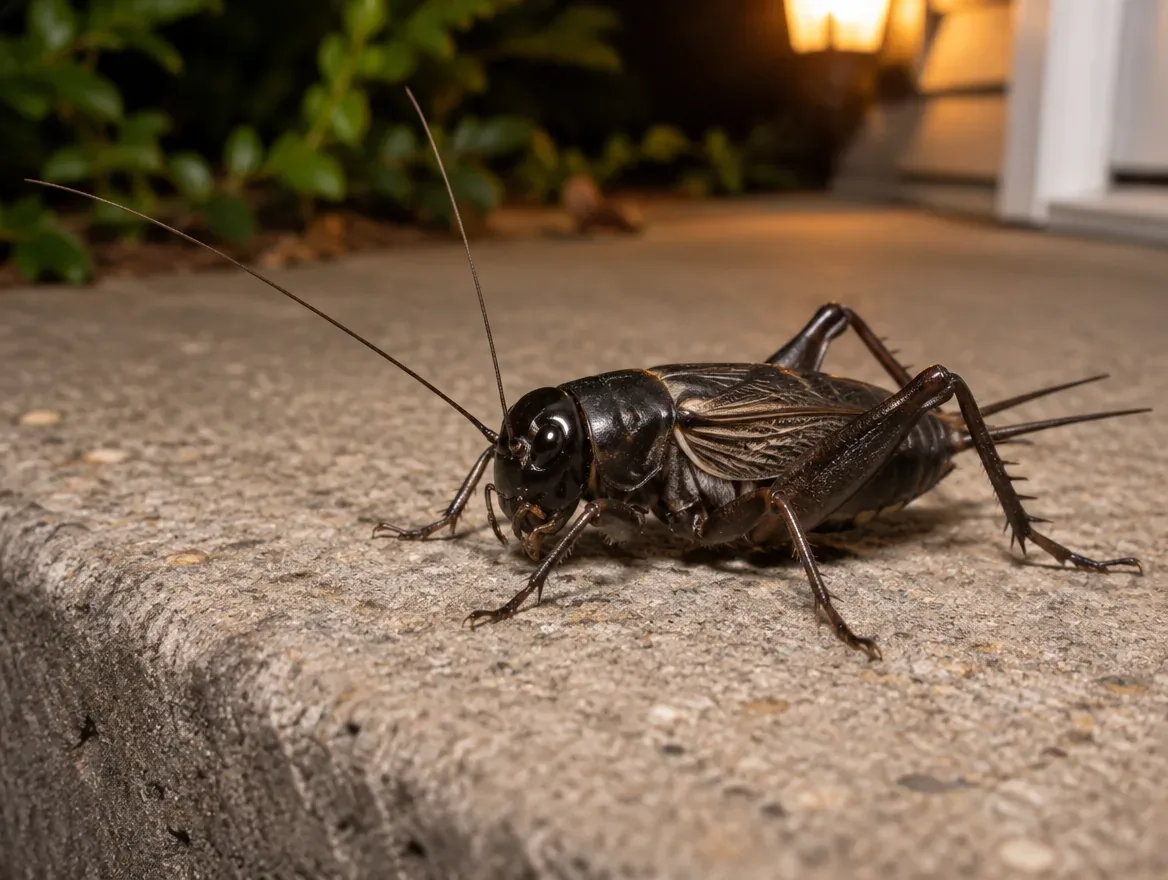
WSU describes the house cricket as about 3/4 inch long and yellowish brown or straw colored, with three dark bands across the head and slender antennae longer than the body. Field crickets look similar but are black. Both have big hind legs for jumping.

Utah State University Extension notes that only male crickets chirp, rubbing their forewings together, and that they chirp faster when it is warm. If a chirp in the house never moves and happens day and night, WSU suggests checking smoke and carbon monoxide alarms for low batteries first.

At a glance

Common kinds
House cricket and field crickets
House cricket
About 3/4 inch, straw colored with three dark bands on the head
Field cricket
Similar size, black
Antennae
Long and thin, longer than the body
Sound
Males chirp by rubbing their wings together
Active
At night
Damage
Can chew fabrics, paper and stored items
Health
Harmless to people
Look alikes

What else could it be?

Grasshoppers

Short antennae, rounder bodies, and they are active in the day.

Camel crickets

Humpbacked, wingless and silent, found in damp basements and crawlspaces.

Earwigs

No jumping legs, with pincers at the tail.

Where and when

Why crickets come into Treasure Valley homes?

Field crickets live in lawns, fields, roadsides and weedy edges and move toward buildings as fields dry out and nights cool in late summer and fall. USU notes that bright white, neon and mercury vapor lights draw crickets from a distance, so lit entries are a common way in.

WSU says house crickets can survive a long time indoors in warm, dark spots, hiding by day and chirping at night. They get in through open doors, poorly fitted thresholds, siding gaps and foundation cracks.

Signs to look for

  • Chirping at night in the garage, basement or walls
  • Crickets near doors and in window wells
  • Chewed spots on stored clothing, paper or boxes
  • Dead crickets with an odor when numbers are high
Health and safety

Are crickets harmful?

Crickets do not bite people or carry disease. WSU notes house crickets can damage wool, nylon, cotton, silk, leather, paper and rubber, especially items stained with sweat or food, and that dead crickets can smell when numbers are high.

How ProGuard handles it

How does ProGuard handle crickets?

We treat the foundation, garage edges, window wells and entry points where crickets come in, and point out gaps and lighting changes that help. Crickets are covered pests on our residential plans.

Quarterly visits keep the protection up, and quarterly plan customers get a free return visit if covered pests come back between visits. There are no contracts. We work family and pet safe. Treated areas are safe for kids and pets once they’re dry, which is usually about 15 to 20 minutes.

Learn more on our more about residential pest control page, or reach out through our contact page.

When to call a professional

  • Crickets keep chirping inside night after night
  • You are finding crickets in several rooms
  • Stored clothing or papers are damaged
  • You want the outside of the house treated before fall
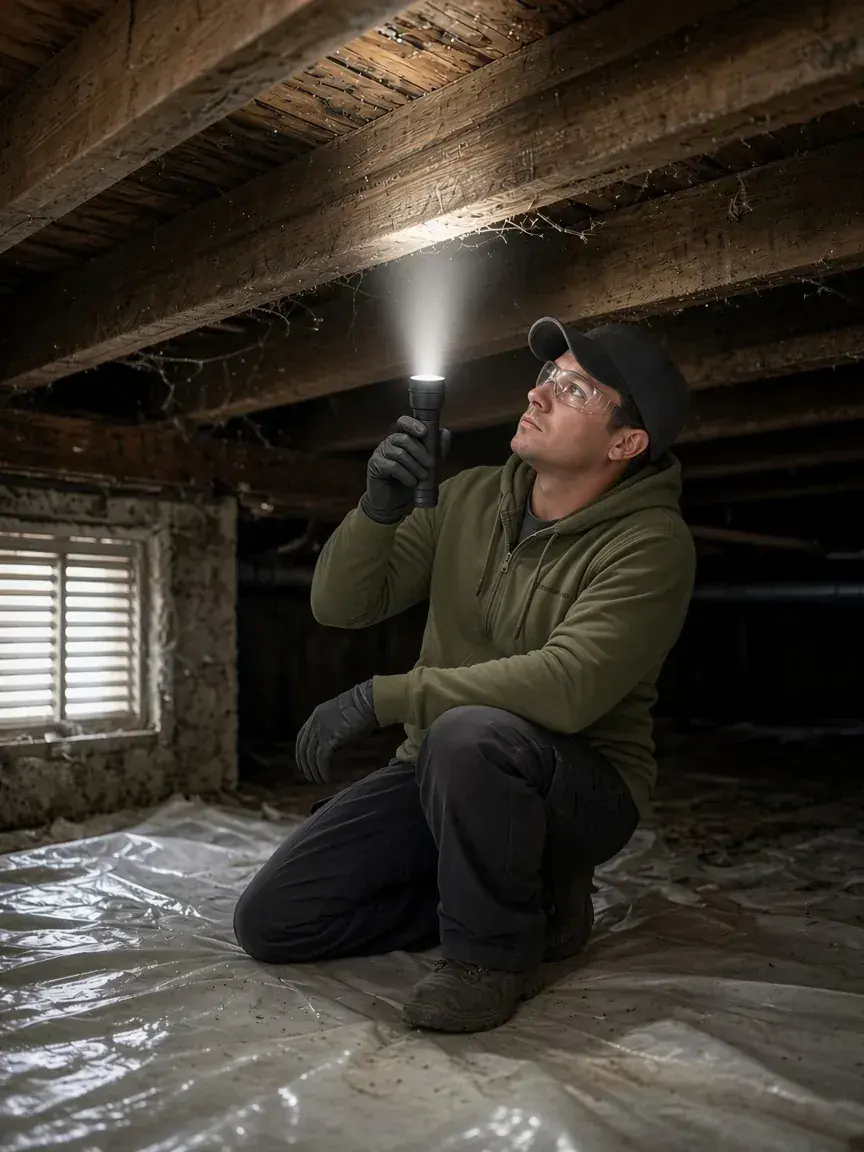
ProGuard technician checking crawlspace floor joists for signs of mice and spiders
Questions

What do people ask about cricket?

Why do crickets come inside in fall?
Fields dry out and nights cool, so crickets move toward buildings and come in through gaps and lit doorways.
Do crickets bite?
No. They are harmless to people, though house crickets can chew fabric and paper.
How do I find a chirping cricket?
Follow the sound when the room is quiet, and check corners, behind furniture and in the garage. WSU suggests checking smoke alarm batteries if the chirp never stops.
Do lights attract crickets?
Yes. USU says bright white and mercury vapor lights draw them from a distance. Yellow bulbs at entries help.
Does ProGuard treat crickets?
Yes. Crickets are covered pests on our residential plans. Call or text us for a free quote.
Keep reading

Related guides

Earwig

Pincered night feeders from damp mulch and flower beds.

Read about the earwig

Centipede

Quick, many legged hunters, including the house centipede.

Centipede guide

Silverfish

Shiny, wingless insects that like damp rooms and paper.

Silverfish facts for Idaho

Residential pest control

See what the service includes and how it works.

Our residential pest control service

Also in this section: Elm seed bug, Western conifer seed bug, Brown marmorated stink bug. Local pages: Emmett and Caldwell.

Back to all other insects in Idaho.

Sources

  1. WSU Pestsense: Crickets
  2. Utah State University Extension: Crickets

Written by the ProGuard team from the sources above. Last updated: November 17, 2026. This page is general information, not medical advice. If you are worried about a bite or your health, talk to a doctor.

Ready to keep pests out of your home?

Call, text or send a few details. We’ll give you a free quote before any work starts, and there are no contracts.