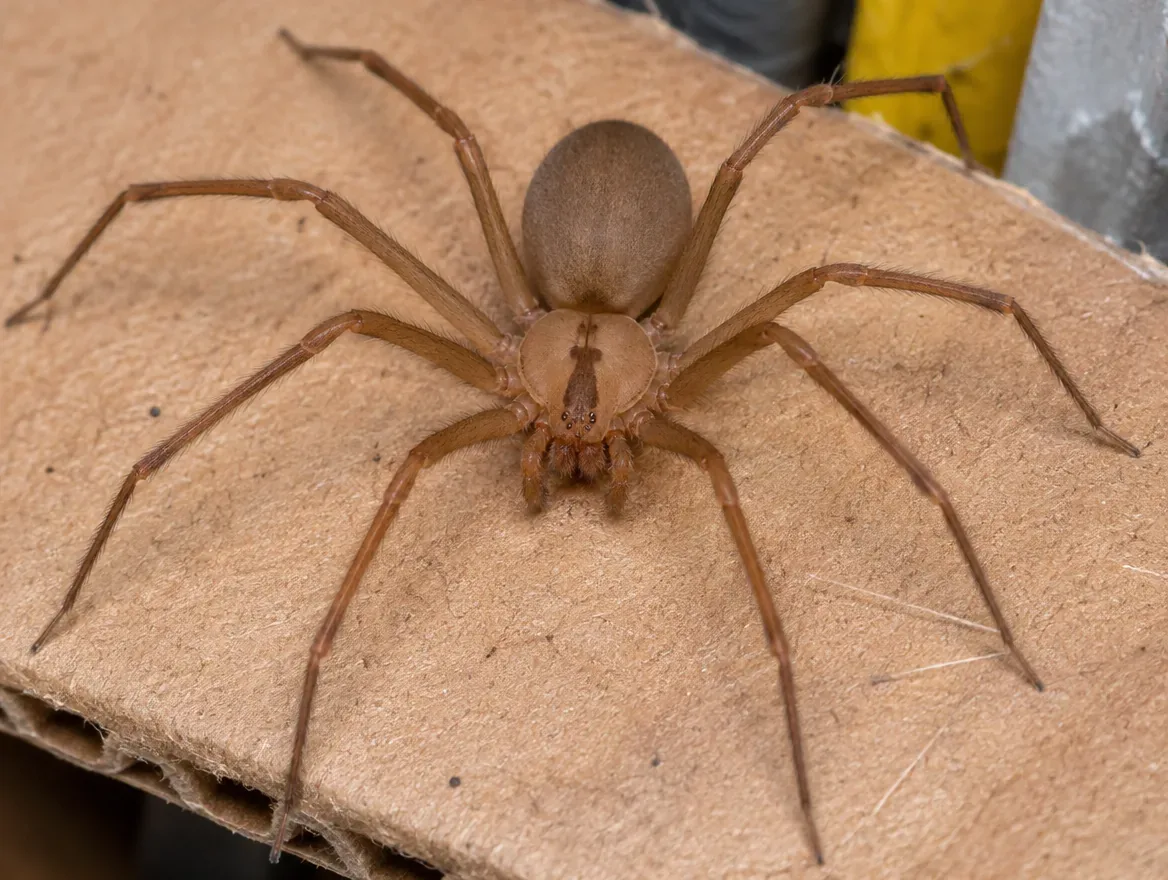
In short: no. The brown recluse is not native to Idaho, and University of Idaho Extension says there are no verified cases in the state. If one is found here, it most likely hitched a ride in moving boxes from where it does live. Many spiders and many skin problems get blamed on it by mistake.
The brown recluse is also called the violin or fiddleback spider because of a dark, violin shaped mark on the top of the front body section. That mark alone is not enough to identify it. The reliable feature is the eyes. A recluse has six eyes arranged in three pairs, one pair at the front and one on each side, while almost every other spider has eight. You need magnification, and ideally an expert, to see this.
If you catch a suspect spider, put it in a sealable container and in the freezer, add rubbing alcohol to preserve it, and take it to your nearest University of Idaho Extension office for identification.
Plain brown with eight eyes in two curved rows. No violin mark.
Pale, small and active at night, with eight eyes rather than the recluse’s six.
Common brown spiders that people mistake for recluses because of size and color.
UC IPM places the brown recluse in the south central Midwest, from southeastern Nebraska to southwestern Ohio and south through Texas to north Georgia. The only documented record from our region is from Washington in 1978, when a family from Kansas moved with a recluse in their boxes.
The recluse is shy and does not attack people. In Midwest homes, infestations of dozens to hundreds of recluse spiders have been recorded without a single bite. People are usually bitten when they press a spider against their skin, such as putting on clothing that spent the night on the floor.
A true recluse bite can cause an ulcerating skin wound, but most are minor and heal on their own, and severe cases are rare. The bigger issue in Idaho is misdiagnosis. Nearly fifty conditions, including skin infections such as CA MRSA, mimic spider bites, and mosquito and flea bites are also mistaken for them. In one year, nearly seventy recluse bites were reported across Idaho, Oregon and Washington, even though the nearest recluse spiders live hundreds to thousands of miles away.
If you have a wound that is growing, painful or not healing, see a doctor. Tell them about the bite and bring the spider if you have it.
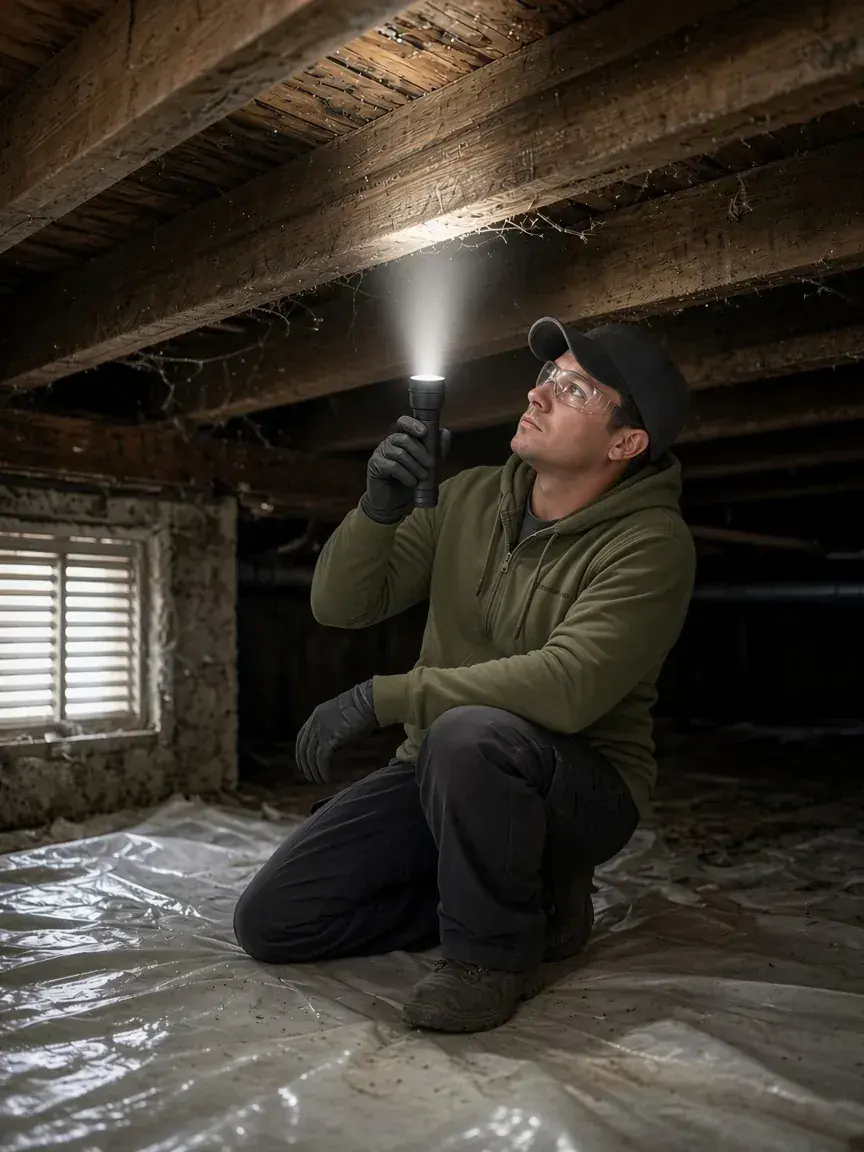
We cannot tell you a spider is a recluse by looking at it, and we will not tell you one is in your home if it is not. What we can do is help with the spiders that actually live here: seal and treat entry points and the places spiders hide, so fewer end up indoors.
Quarterly visits keep the protection up, and quarterly plan customers get a free return visit if covered pests come back between visits. There are no contracts. We work family and pet safe. Treated areas are safe for kids and pets once they’re dry, which is usually about 15 to 20 minutes.
Learn more on our how our spider control works page, or use our online quote form.

The bite reputation has been debunked. What the spider really is.
Hobo spider facts for IdahoDaddy longlegs of the basement. The webs are the problem.
Cellar spider: signs and look alikesAlso in this section: American house spider, Grass spider, False black widow. Local pages: Boise and Meridian.
Back to all spiders in Idaho.
Written by the ProGuard team from the sources above. Last updated: November 17, 2026. This page is general information, not medical advice. If you are worried about a bite or your health, talk to a doctor.
Call, text or send a few details. We’ll give you a free quote before any work starts, and there are no contracts.